 Dexter Priete
When unpredictable weather or the intense daytime heat of the Habagat season forces you to rethink major multi-day expeditions, intermediate and beginner-accessible ridge walks become the ultimate playground. Tucked away in the bucolic, mountain-rimmed town of Impasug-ong, Bukidnon famously known as the backdrop for the classic film Love Me Again lies one of the most rewarding short treks in Mindanao: Panimahawa Ridge.
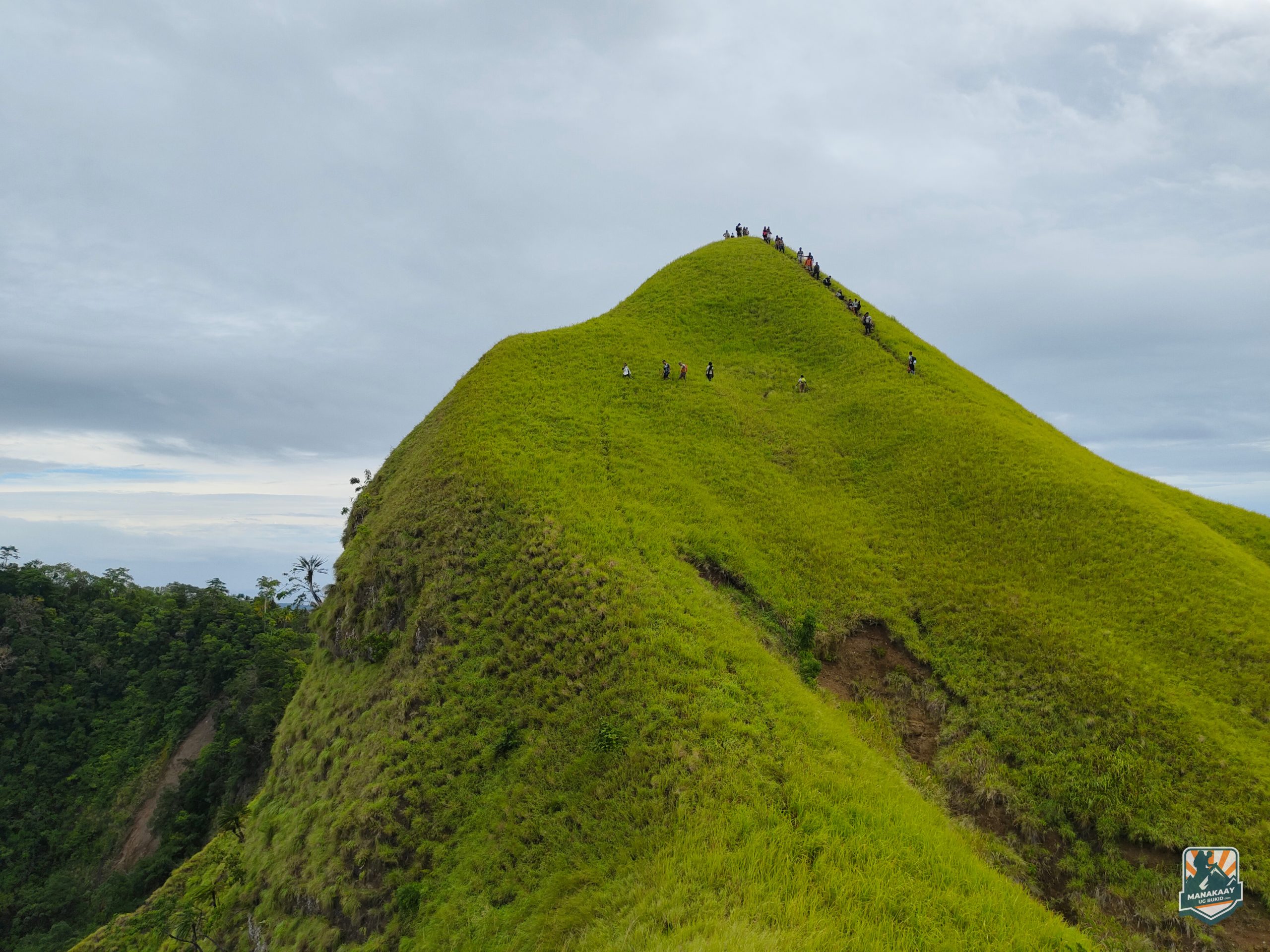
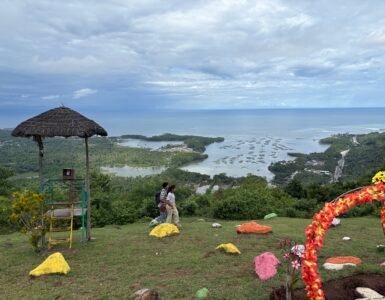
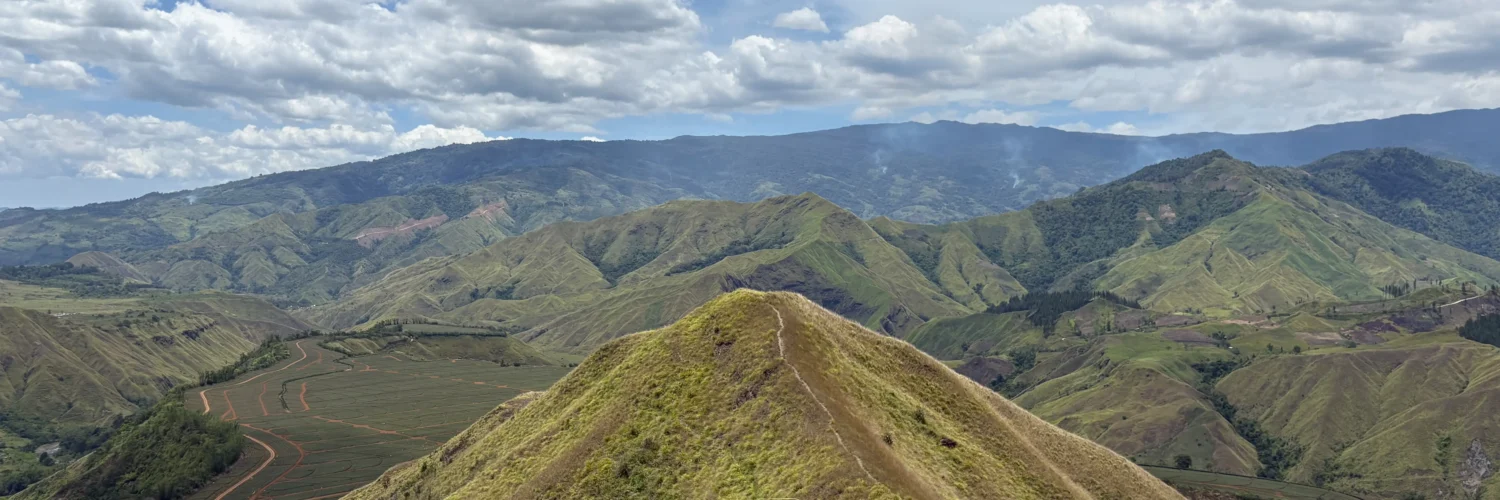
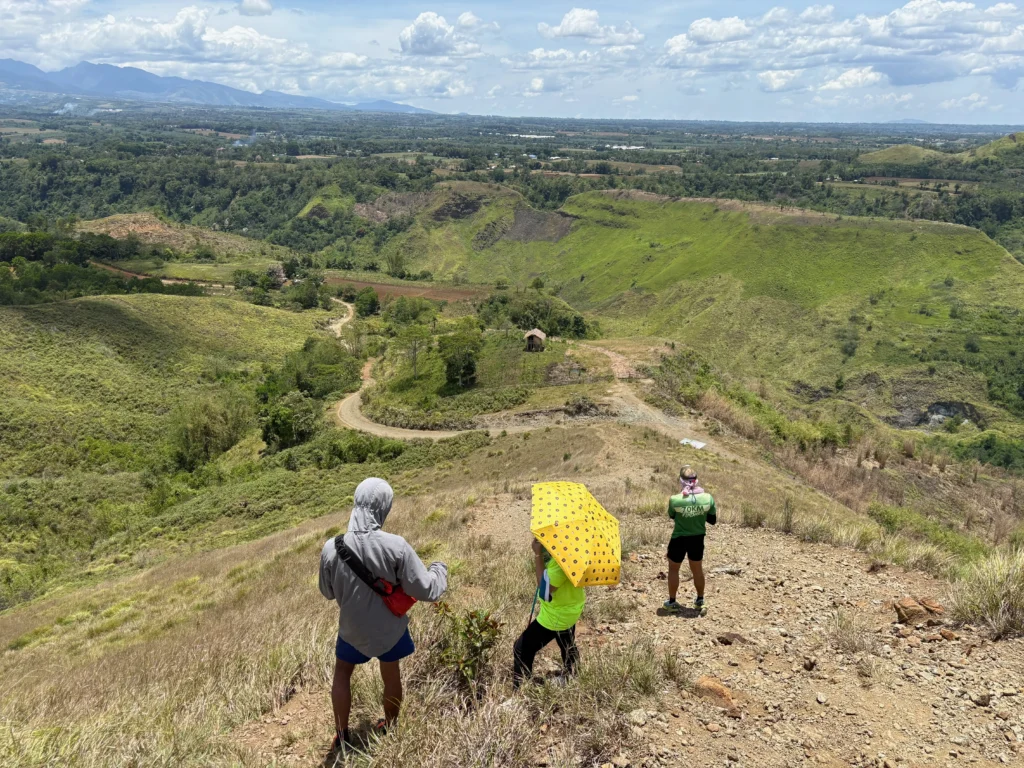
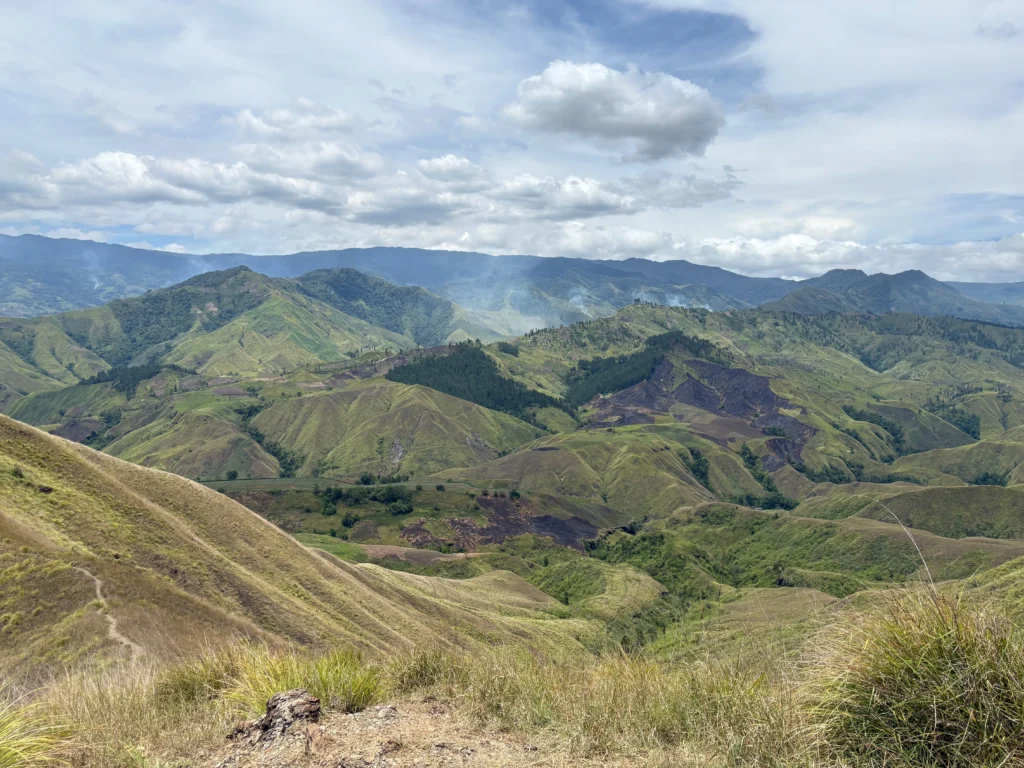
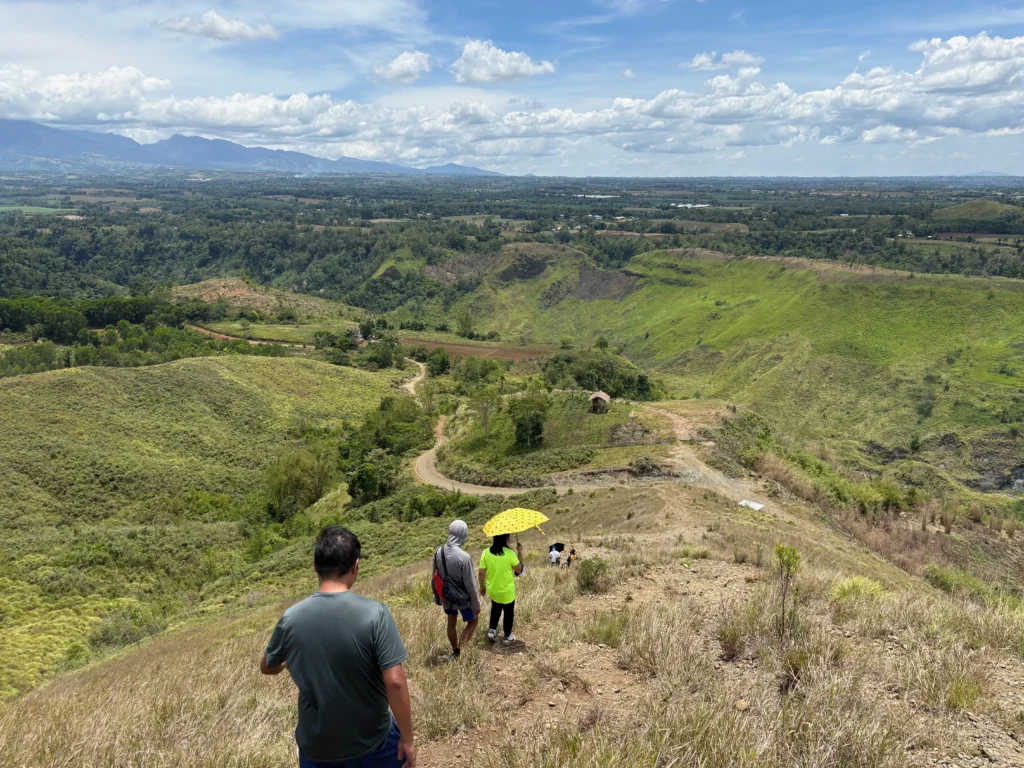
Standing at approximately 819 Meters Above Sea Level (MASL), this open grassland spine offers panoramic views of rolling hills, deep valleys, and the sprawling Tagoloan canyon. However, do not let its minor difficulty rating fool you. Panimahawa features a distinct “terrain trick” that catches unconditioned hikers off guard.
Through our field logs at Manakaay ug Bukid, we have mapped out the end-to-end trail logistics, cultural protocols, and realistic budget breakdowns to ensure your transition from the highway to the summit is seamless.
🏔️ Panimahawa Ridge Quick Guide
| Feature / Metric | Specification | Remarks |
| Location | Brgy. Impalutao, Impasug-ong, Bukidnon | Region X, Northern Mindanao |
| Elevation | ~819 MASL / 2,687 feet | Minor altitude; gradient is the main test |
| Trail Distance | 6.5 – 8 km (Roundtrip) | Out-and-back “reverse mountain” structure |
| Difficulty Rating | 2/9 (Minor Hike) | Beginner-friendly but physically punchy |
| Total Trek Time | 2 – 4 Hours | Varies based on pace and trail mud |
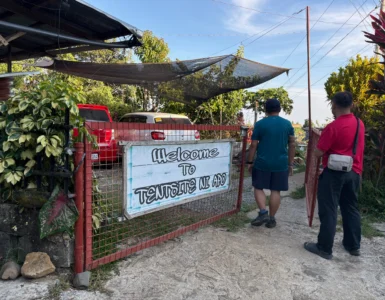
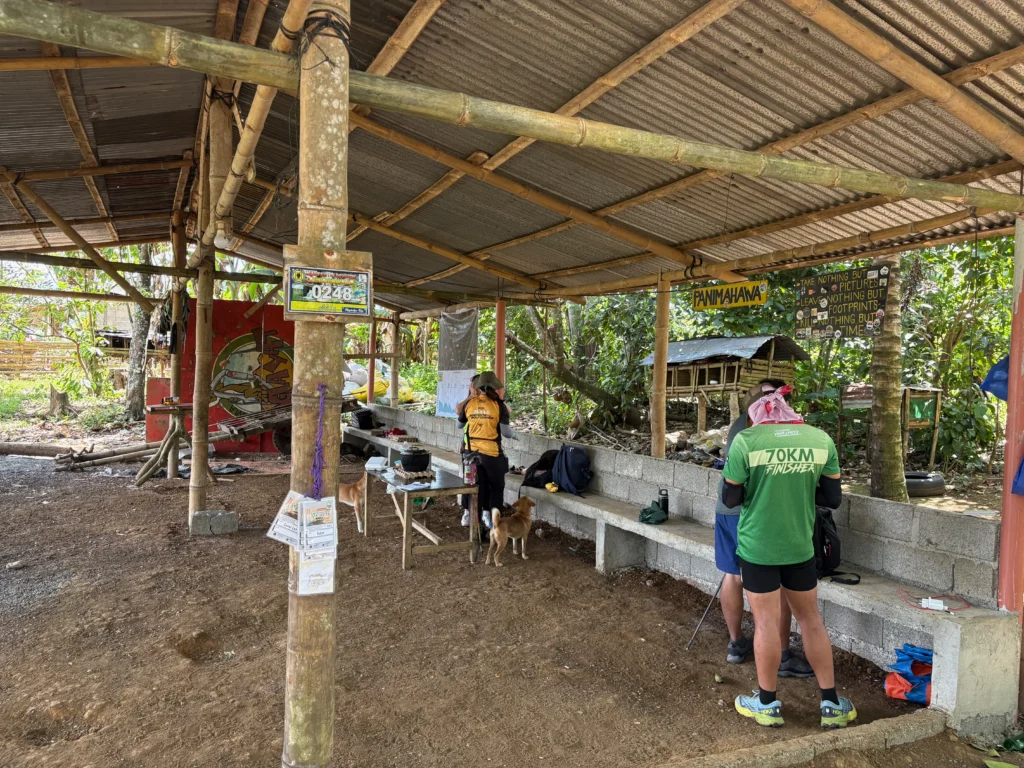
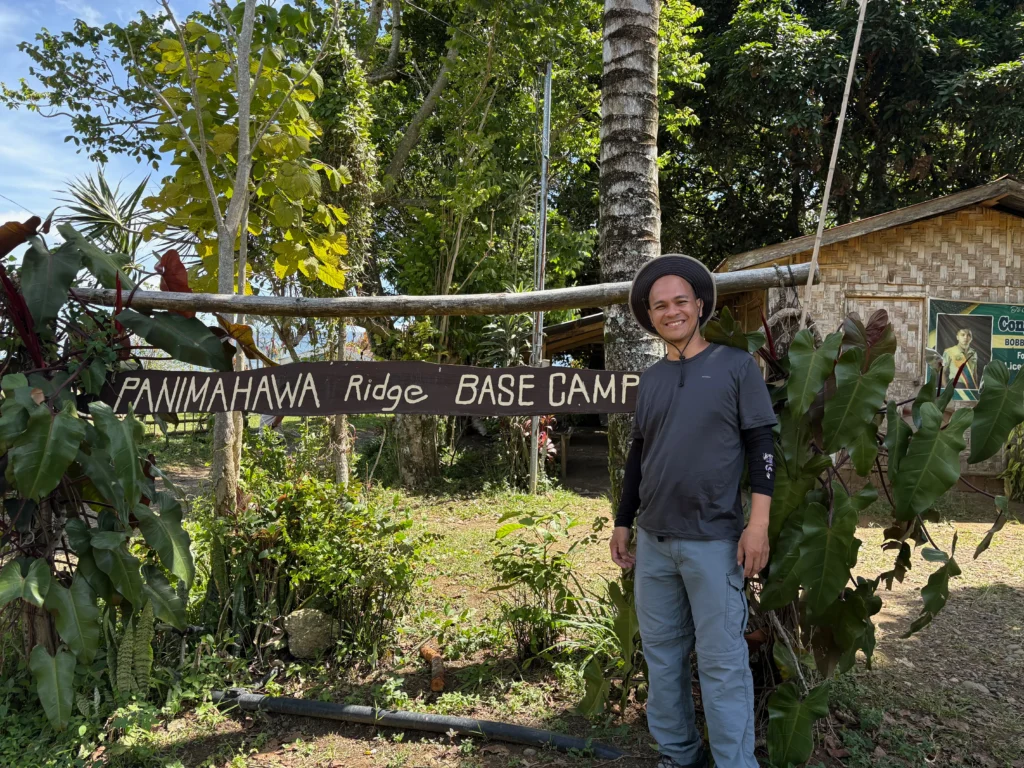
| Primary Jump-off | Ant Farm Basekamp, Brgy. Impalutao | Gated registration and coordinator hub |
🚗 How to Get to the Ant Farm Trailhead
The jump-off point is located at Ant Farm Basekamp in Barangay Impalutao, roughly 9 kilometers from the main highway junction.
  [ CDO / Davao Bus Route ] ──► [ Alight: Impalutao Elementary School ]
                                                │
                                                ▼
  [ Panimahawa Ridge Summit ] ◄── [ Ant Farm Basekamp ] ◄── [ Habal-Habal Incline ]
From Cagayan de Oro (CDO):
- Head to the Agora Terminal and board a public bus bound for Malaybalay or Davao.
- Ask the conductor explicitly to drop you off at Impalutao Elementary School (do not simply say “Impasug-ong”). The bus fare ranges from ₱140 to ₱180. Total travel time is about 3 to 4 hours.
- At the school junction, hire a habal-habal (single motorcycle) to transport you along the rugged path to Ant Farm Basekamp. Shared rides cost around ₱100–₱150 one way, while a solo charter ranges from ₱150–₱200.
From Davao City:
- Board a public bus heading toward Cagayan de Oro City via the standard highway axis.
- Alight directly at Impalutao Elementary School and secure a habal-habal transfer up to the registration compound.
📞 Trail Coordinator Contact: To verify guide availability or coordinate group mergers before departing, you can reach out to the Ant Farm coordinator, Sir Bob, at 0997 801 3135 or 0935 198 6781. While there is no structural parking lot inside the basekamp, private cars can safely park along the adjacent barangay road margins after clearing it with the coordinator.
🪵 Permits, Regulations, and The Sacred Coin Ritual
The local tourism loop enforces a strict “No Guide, No Hike” policy. Walk-in registrations are readily accepted at Ant Farm Basekamp, where you will sign a basic liability waiver and settle your fees. The standard entry and guide layout commonly routes around ₱300 to ₱350 per person (minimum group charges can sit around ₱1,500 for up to five hikers). The assigned guide ratio is strictly capped at 1 guide per 5 hikers to monitor safety.
The Lumad Coin Offering: A Living Practice
Every single group entering the ridge is required to participate in a traditional coin-offering ritual at the start of the trailhead, and again right before attempting the final assault to the summit.
🛑 Crucial Cultural Protocol
This practice is a deep, living expression of the indigenous Lumad communities of Mindanao. To the Lumad, these rolling hills, rivers, and forests are sacred ancestral extensions of their identity. The coins serve as a formal gesture of respect to ask the spirit of the mountain and the ancestors for safe passage and protection.
Pack at least ₱5 to ₱10 in loose coins specifically for this purpose. Do not treat this ritual as a tourist gimmick or a mere photo opportunity; keep your cameras lowered and participate with genuine respect.
🥾 Stage-by-Stage Trail Breakdown
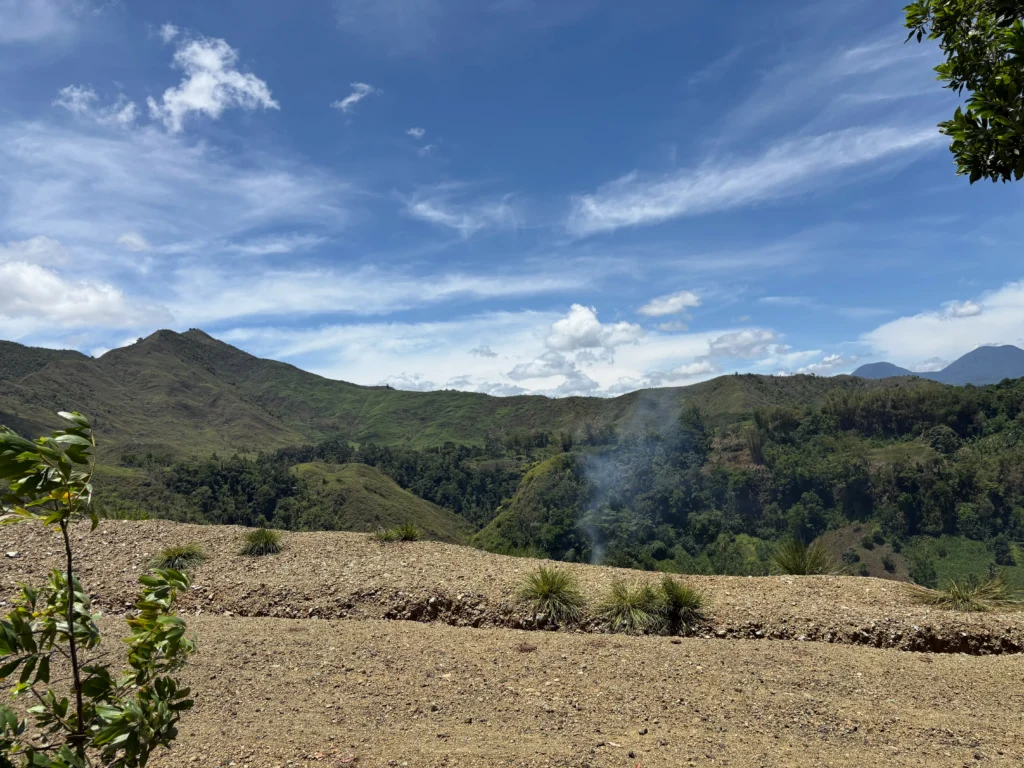
Panimahawa behaves like a “reverse mountain”. Because you start on an elevated highland plateau, you are forced to drop altitude into a deep river ravine before earning the right to climb back up to the main ridge spine. This means your return trek will require an uphill push when your legs are already spent.
Stage 1: Basekamp to Farmland Plateaus
- Difficulty: 1/5
- After completing the initial coin ritual, the trail opens into a highly manageable, flat dirt path cutting through extensive corn and pineapple fields for about 100 meters. This serves as an open, unshaded warm-up stretch.
Stage 2: The Ravine Descent to Dila River
- Difficulty: 2/5
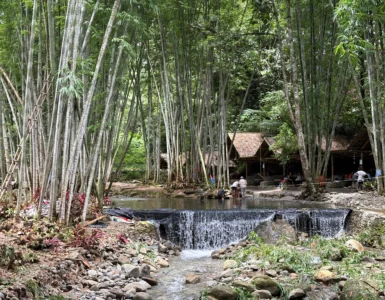
- The trail cuts sharply downward into a steep ravine lined with lush, dense vegetation. The ground consists of heavy red clay that becomes exceptionally slick and muddy if it has rained recently. Bamboo railings are available along certain drop-offs for balance. At the floor of the valley, you will cross the flowing waters of the Dila River using a makeshift bamboo bridge that shakes noticeably with every step. Take slow, centered, deliberate steps one person at a time.
Stage 3: Deadman’s Slope (The Post-River Punch)
- Difficulty: 4/5
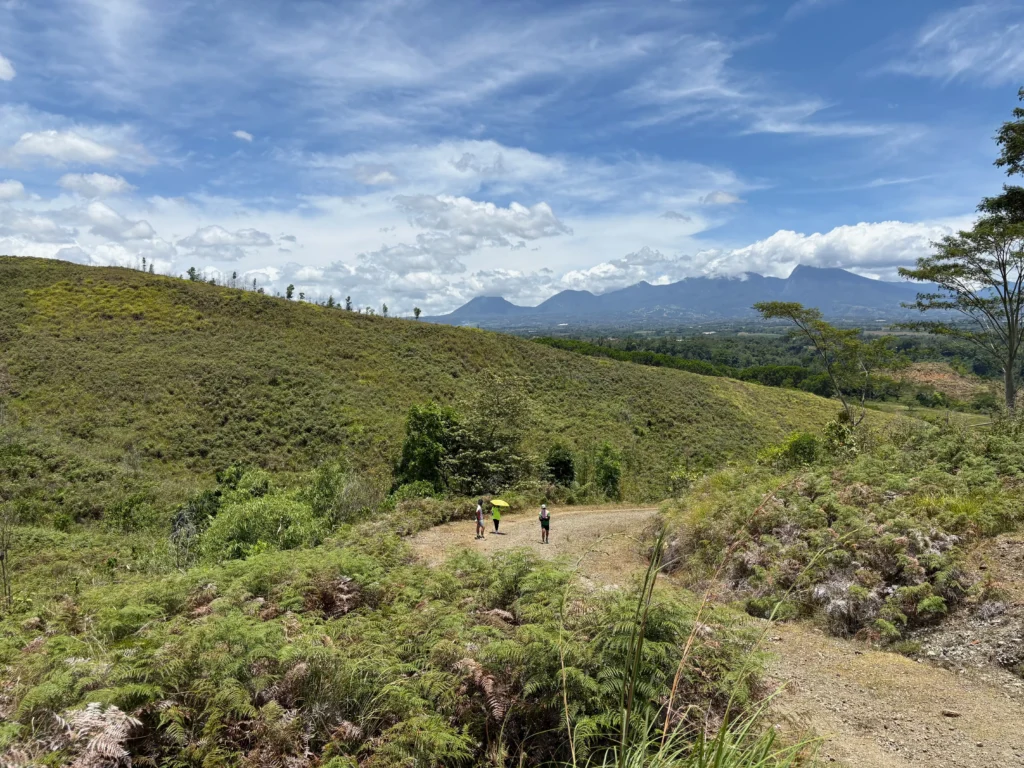
- Once across the bamboo bridge, the real physical test begins. Deadman’s Slope is a sustained, non-technical 300-meter ascent angled at a grueling 30° to 45° incline across rugged terrain and scattered stones. There is very little room for breaks, and it will quickly spike the heart rate of anyone lacking recent cardio conditioning.
Stage 4: Undulating Ridges and The Trailside Shop
- Difficulty: 2/5
- After conquering Deadman’s Slope, the trail rewards you by easing into a moderate, undulating 20-minute stroll across gentle slopes. Along this stretch, you will pass a small, local sari-sari store hut where you can rest, purchase sugary drinks, or refill your water storage.
Stage 5: The Final Summit Assault
- Difficulty: 3/5
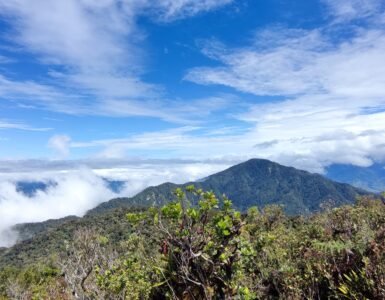
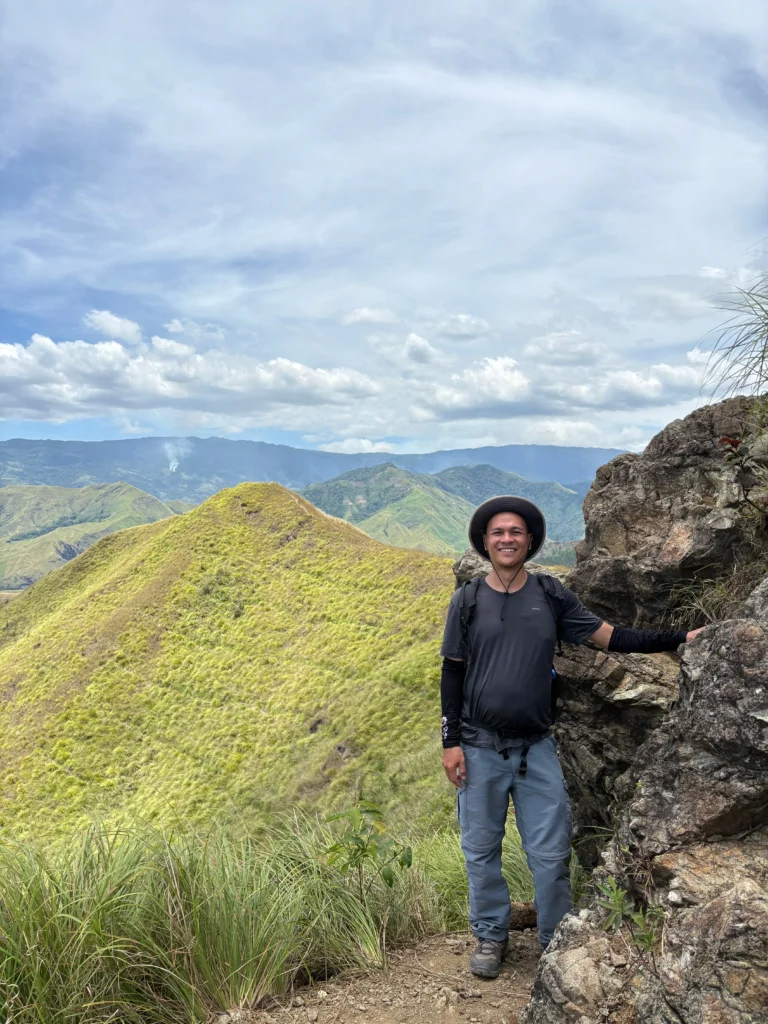
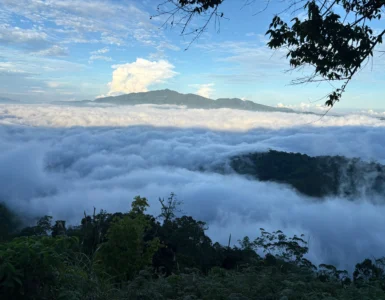
- The final push to the campsite is a long, straightforward vertical climb across loose earth, exposed rocks, and open grasslands. Once you crest the final knoll, the terrain opens completely to reveal the breathtaking expanse of the Tagoloan canyon. On clear mornings, the massive forms of Mt. Kitanglad and Mt. Kalutungan stand out sharply against the horizon.
⛺ Campsite Reality Checks & Packing Essentials
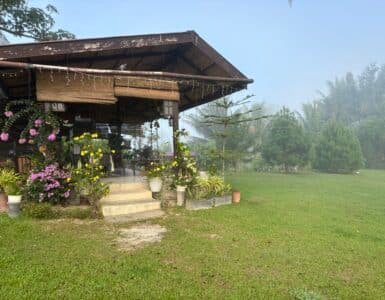
If you choose to experience an overnight stay on the open ridge rather than a standard day hike, prepare for a environment with zero structural protection.
- The Cattle Elements: The summit area consists of active, free-roaming grazing grounds shared with local cattle. Finding a flat spot to pitch your tent requires carefully navigating around widespread cow droppings across the peaks. Give the roaming herds ample space.
- Connectivity: Due to a direct, unobstructed line-of-sight to regional telecommunication towers, cellular signal is highly reliable, with both Smart and Globe pulling strong 4G/LTE data connections right from the campsite ridge.
- Water Sources: While the Dila River is a dependable water source, it faces potential upstream agricultural runoff. Any water pulled from the trail springs must be strictly filtered or treated with purification tablets before drinking. Carry at least 1.5 to 2 liters of water from the start.
- Leave No Trace (LNT): There are absolutely no trash bins or waste facilities on the ridge. Pack out everything you pack in, including food scraps and wrappers. Carry a dedicated trash bag, secure it tightly to your pack during the descent, and dispose of it properly back in the town center.
Estimated Budget Checklist (Per Pax DIY Day Hike)
- Public Bus Fare (CDO to Impalutao): ₱140 – ₱180
- Habal-Habal Transfer (Shared, One Way): ₱100 – ₱150
- Entry / Registration & Guide Fee Base: ₱300 – ₱350
- Trailhead Basekamp Tapsilog Meal: ₱80 – ₱120
- Return Transit Allocation: ₱240 – ₱330
- Estimated Target Budget: ₱910 – ₱1,230
🔄 Maximizing Your Bukidnon Side-Trips
Because Panimahawa Ridge can comfortably be completed as a highly efficient half-day trip, it serves as a perfect anchor for a broader regional itinerary.
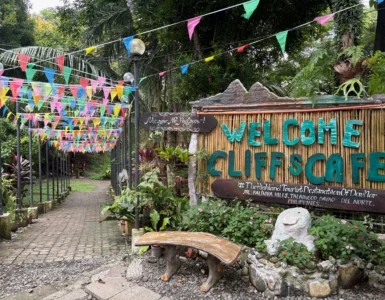
After completing your morning descent, you can hire a local motorcycle tracker to explore the vast, 642-hectare government-owned Impasug-ong Communal Ranch for an incredible horseback riding experience over rolling canyon ridges. Alternatively, you can head directly to the shaded forest canopies of CEDAR (Center for Ecological Development and Recreation) to chase its hidden waterfalls, or drive further down the highway to cool your trail-weary muscles in the crystal-clear waters of Nasuli Cold Spring.
🧐 Frequently Asked Questions (FAQ)
Q: Where is Panimahawa Ridge located, and how long is the trek?
A: Panimahawa Ridge is situated in Barangay Impalutao, Impasug-ong, Bukidnon. The entire out-and-back trail spans approximately 6.5 to 8 kilometers roundtrip, taking anywhere from 2 to 4 hours to finish depending on trail mud and group endurance.
Q: How much are the guide and registration fees for Panimahawa Ridge?
A: Registration processing and mandatory guide fees typically average around ₱300 to ₱350 per head settled at the Ant Farm Basekamp window. The park operates under a strict safety layout of 1 guide for every 5 hikers.
Q: What is the traditional coin ritual at the Panimahawa trailhead?
A: The coin offering is an essential, non-negotiable Lumad indigenous cultural practice meant to show deep respect to the ancestors and mountain spirits protecting the land. Hikers drop loose coins (keep ₱5 or ₱10 coins ready) at the start of the fields and right before making the final ridge assault.
Q: Can Panimahawa Ridge be completed as a day hike?
A: Yes, a day hike is fully doable. Most hikers complete Panimahawa as a half-day trip. For a day tour, the recommended start time is 4:00 AM at the jump-off point. This ensures you catch the mountain sunrise at the peak, avoid the grueling overhead midday sun on the open slopes, and drop back down before afternoon downpours arrive.



 Dxtrometorphan