 Dexter Priete
MABUHAY UG MADAYAW, PANABOANS!
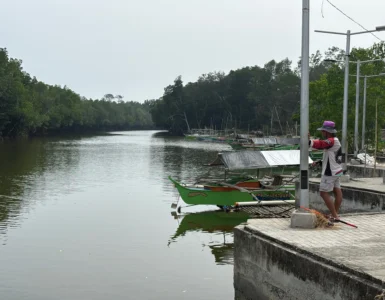
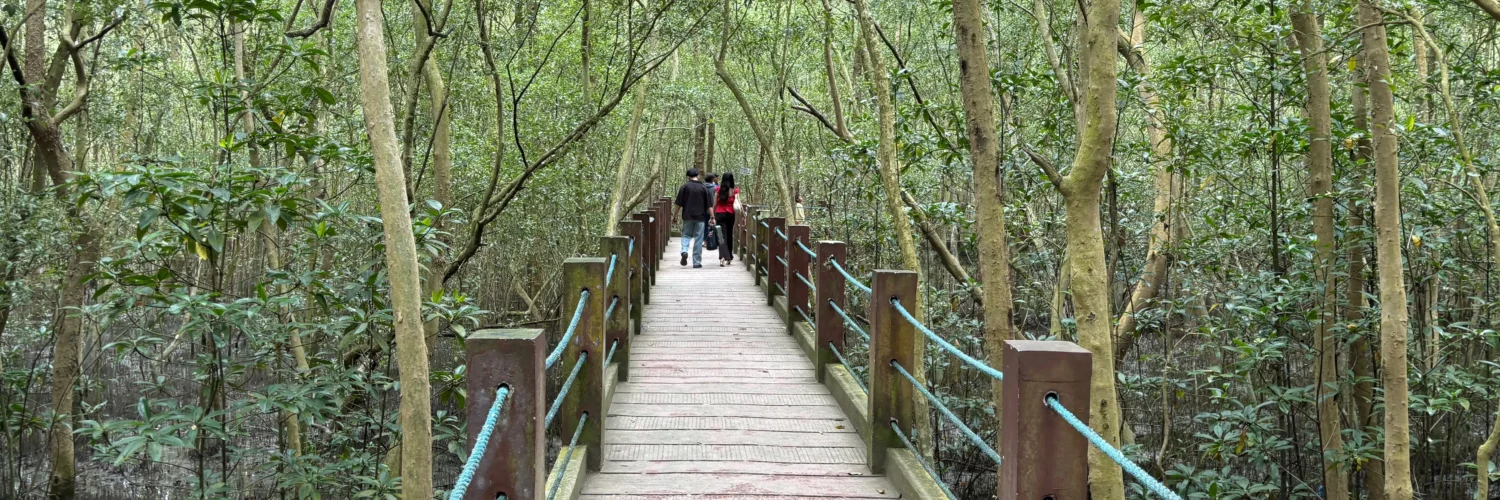
When showcasing the geographic treasures of Davao del Norte, conversations often drift directly toward massive mountain peaks or inland resorts. However, tucked safely along the southeastern coast facing the vast Davao Gulf lies an exceptional natural treasure. The Panabo Mangrove Forest Park serves as a breathtaking reminder of how the region is blessed with diverse views, blending man-made progress seamlessly with the untouched beauty of natural ecosystems.
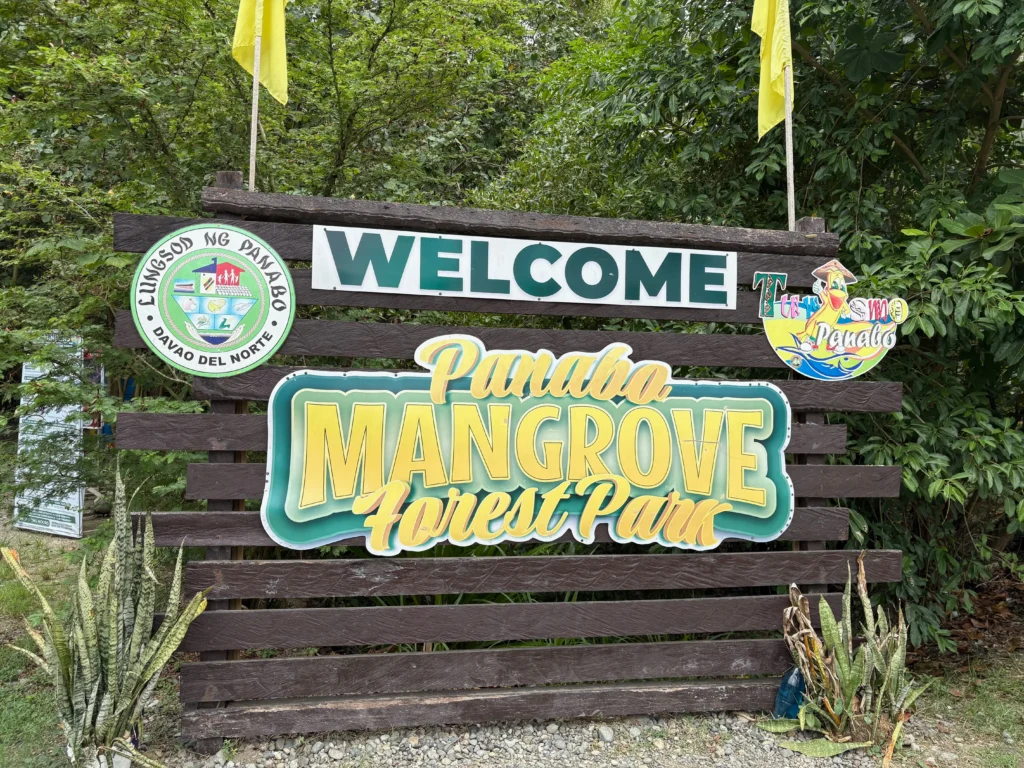
Located at Purok Cogon, Barangay J.P. Laurel, this sprawling coastal reserve is an eco-tourism sanctuary open to everyone looking to disconnect from the urban rush and experience coastal conservation firsthand.
🏔️ Quick-Reference Visitor Guide
| Feature | Details |
| Exact Location | Purok Cogon, Barangay J.P. Laurel, Panabo City, Davao del Norte |
| Admission Fee | FREE (No Entrance Fee) |
| Operating Hours | 8:00 AM to 5:00 PM Daily |
| Total Scale | Approximately 73 Hectares |
| Primary Landscape | Intertidal mangrove forest facing the Davao Gulf |
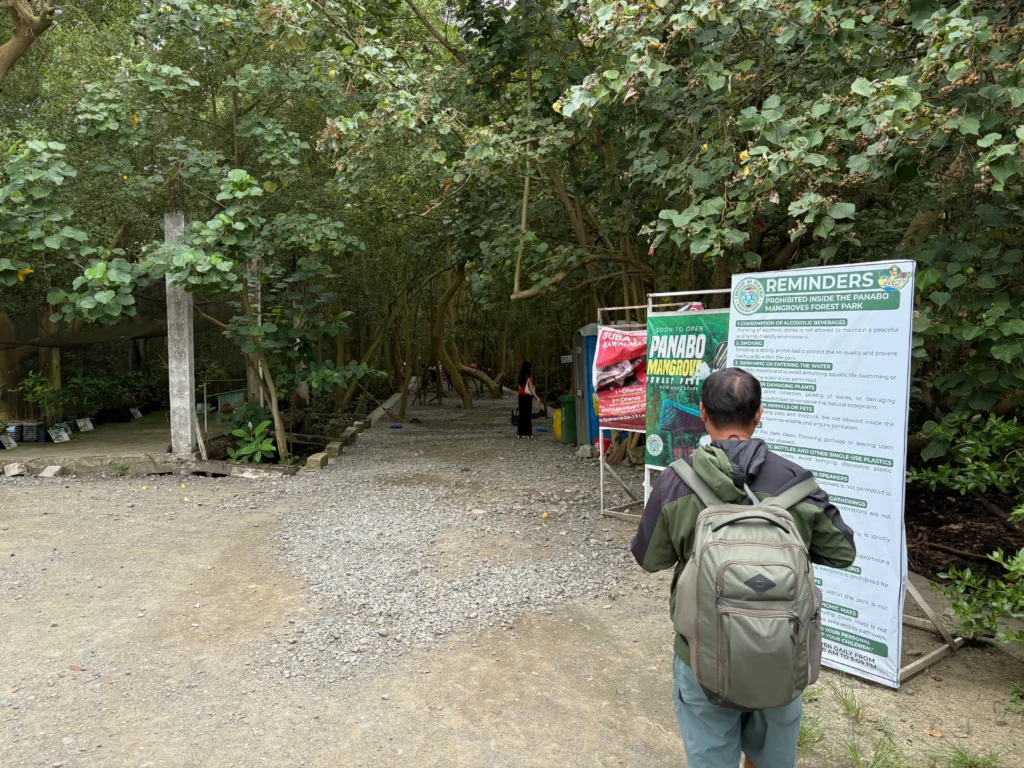
🌿 Ecotourism Protocol: Keep it Clean
Because the park serves as a protected sanctuary for local marine life and migratory birds, visitors are strictly reminded to practice zero-waste principles. Help the local community protect this natural treasure from the highlands down to the sea by taking your trash with you.
🌊 The Ecological Shield of the Davao Gulf
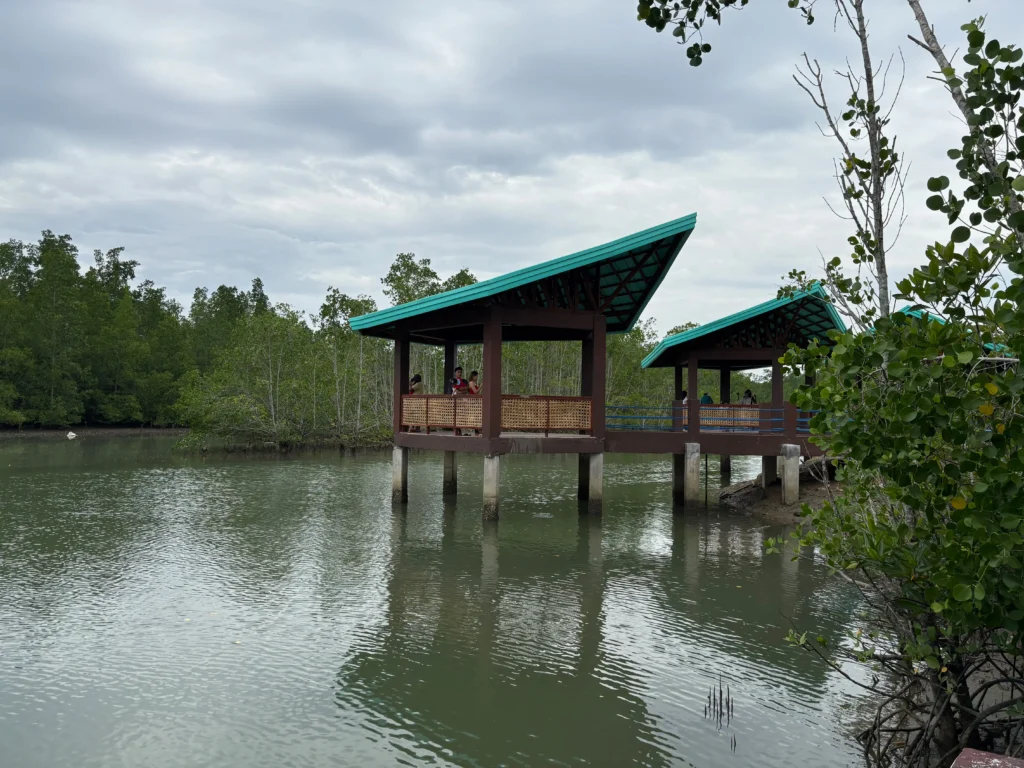
The Panabo Mangrove Forest Park isn’t just a scenic escape; it is a critical ecological shield protecting the city’s coastlines. Spanning an extensive 73 hectares, it stands as one of the region’s premier defenses against coastal degradation and climate challenges.
Scientific assessments emphasize that these sprawling mangrove networks provide invaluable environmental services:
- Disaster Mitigation: The complex root systems act as robust buffers that prevent shoreline erosion and soften the impacts of heavy wave action and storm surges during severe weather.
- Carbon Sequestration: Research indicates that the upper-stand and root biomass of the local mangrove species (such as Sonneratia alba, Rhizophora apiculata, and Avicennia marina) possess an immense capacity for capturing atmospheric carbon, functioning as an active carbon sink.
- Biodiversity Hub: The intertidal root zones create a protected nursery ground and food source for countless aquatic species, including crabs, shrimp, shellfish, and local fish, while simultaneously supporting marine life.
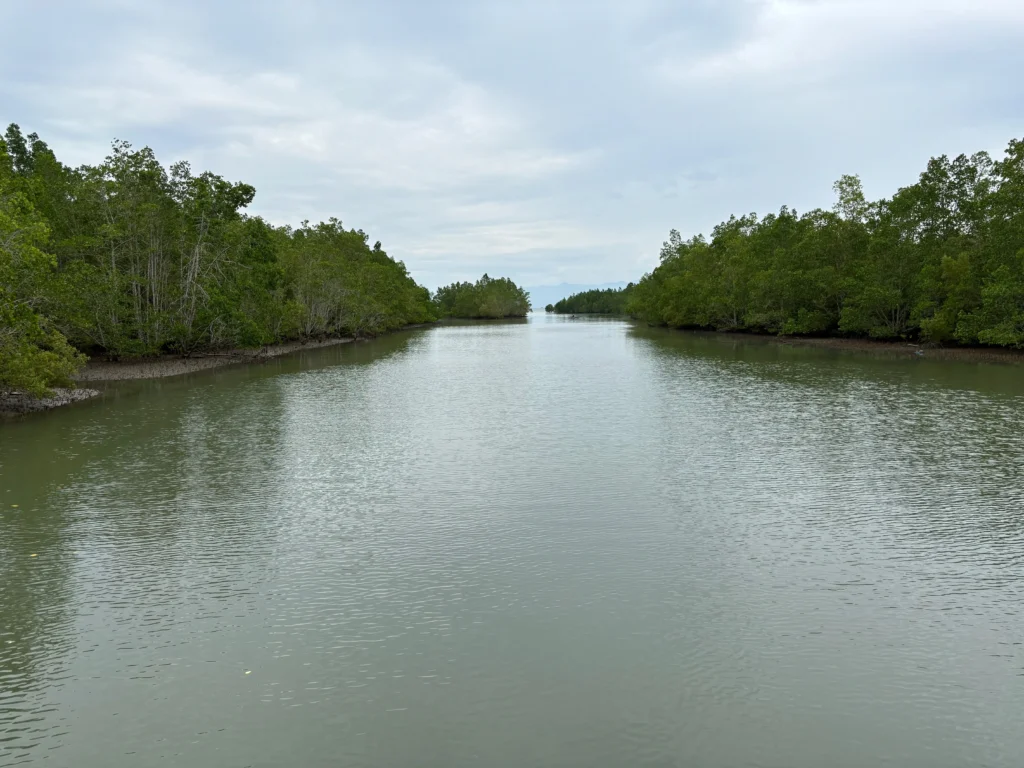
Continuous conservation projects keep the park thriving. Regular rehabilitation initiatives, including coastal clean-ups and massive planting drives that introduce thousands of new propagules, ensure this sanctuary remains a resilient home for local marine life.
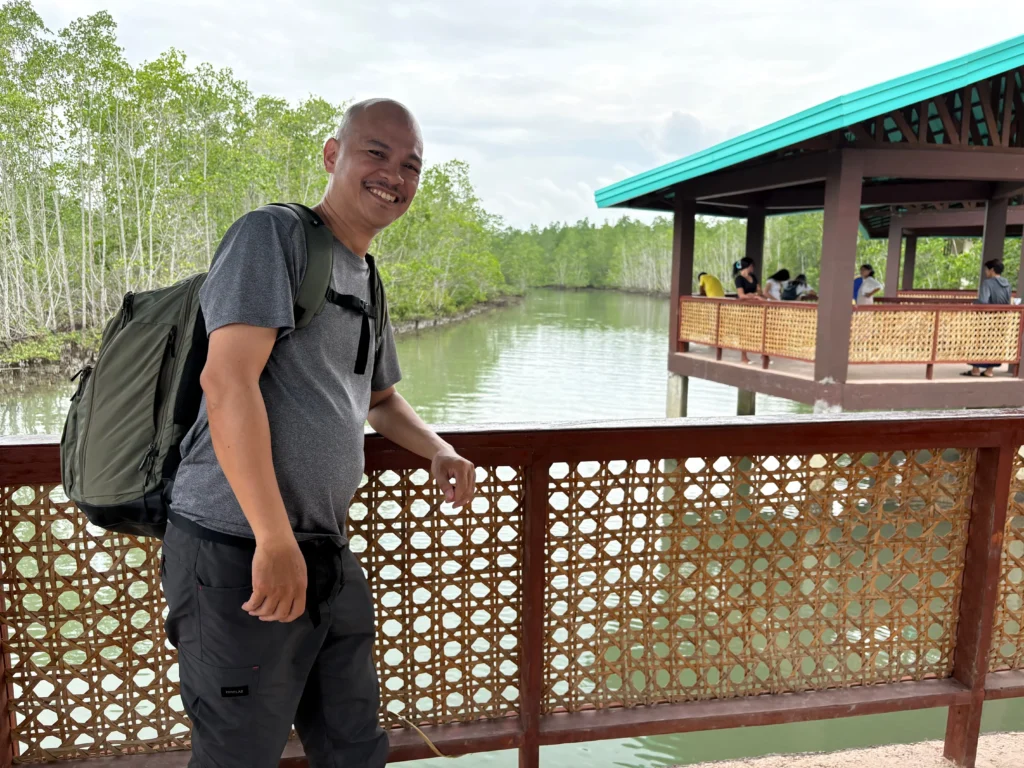
🚶♂️ The Visitor Experience: What to Expect
For travelers, a morning or late-afternoon stroll through the park provides a refreshing, educational immersion into nature:
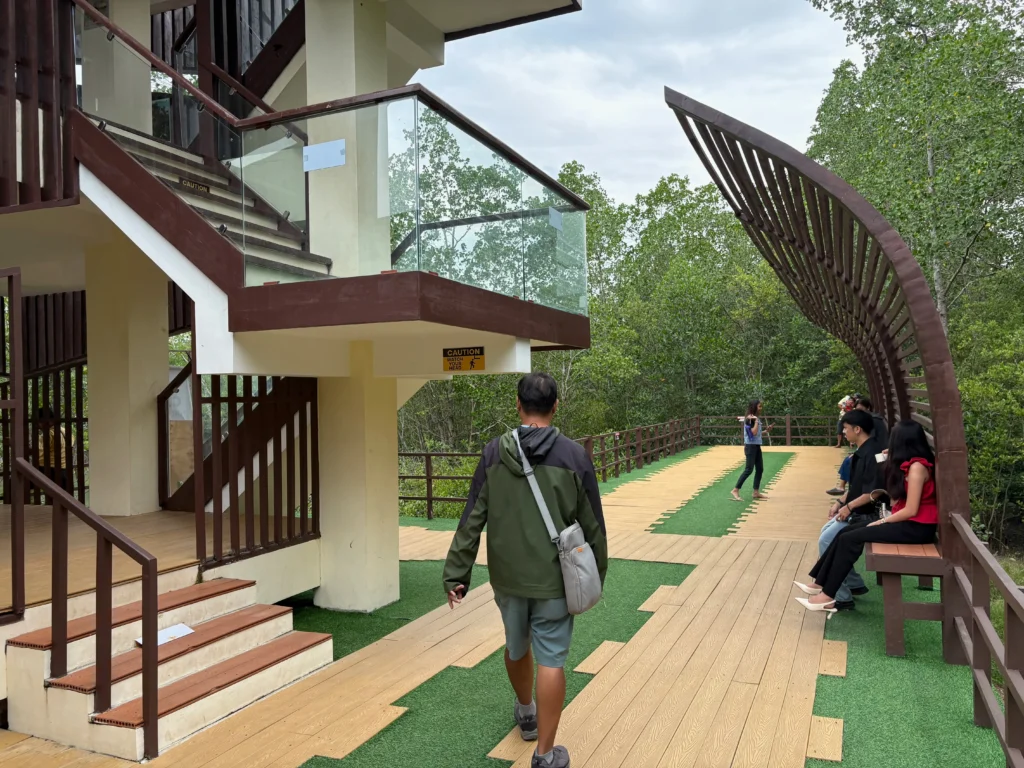
- Scenic Solitude: The dense green canopy creates a cool microclimate, sheltering visitors from intense solar radiation. It is a peaceful zone to appreciate quiet solitude, walk with family, or capture breathtaking photographs of the sunset over the Davao Gulf.
- First-Hand Education: For students and eco-conscious travelers, the park serves as a living laboratory to observe intertidal ecosystems up close and understand how closely intertwined human livelihoods are with coastal conservation.
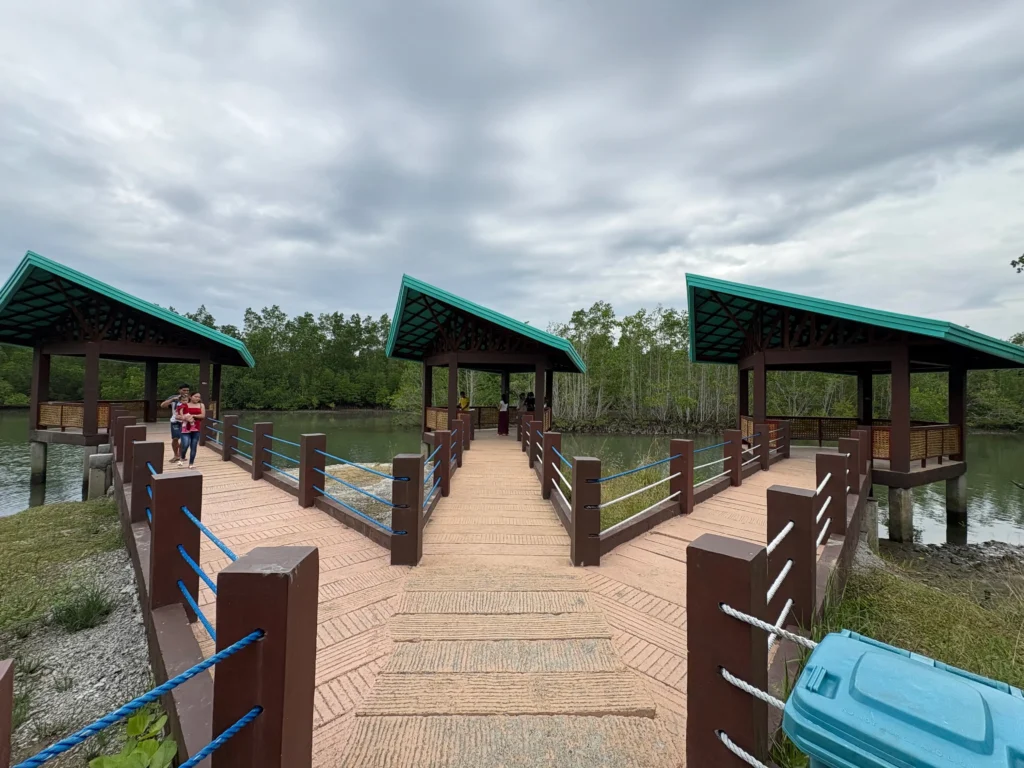
🔄 Expanding Your Davao Region Itinerary
If you are mapping out a complete multi-day exploration of Davao del Norte, pairing this coastal mangrove sanctuary with the province’s highland getaways creates a perfectly balanced contrast. After enjoying the sea-level breeze of Panabo, you can head inland to experience the crisp mountain air and no-corkage camping vibes at Camp Jovert Burlat in New Corella. For more raw, field-tested guides spanning the south’s coastal reserves, hidden wetlands, and premier summits, head back to our Manakaay ug Bukid homepage to plan your next weekend escape.
🚀 Stay Updated With the Local Community
Showcasing Panabo’s unique gems from the highlands down to the sea relies heavily on active local and visitor support. To get the latest travel advisories, conservation updates, community clean-up schedules, and upcoming festival schedules, ensure you interact with the official channels.
Don’t forget to Like, Share, and Follow the Turismo Panabo Facebook page for more exciting updates and deep dives into the hidden treasures of the city!
🧐 Frequently Asked Questions (FAQ)
Q: How much is the entrance fee at Panabo Mangrove Forest Park?
A: Admission to the Panabo Mangrove Forest Park is completely free of charge for all locals and tourists.
Q: What are the operating hours of the Panabo Mangrove Forest Park?
A: The park officially operates from 8:00 AM to 5:00 PM daily.
Q: Where exactly is the mangrove park located in Panabo City?
A: The park is located at Purok Cogon, Barangay J.P. Laurel, Panabo City, Davao del Norte, facing the southeastern coast along the Davao Gulf.


 Dxtrometorphan