 Dexter Priete
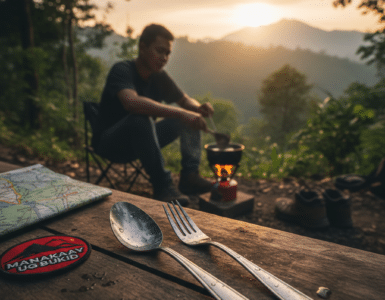
Sleeping on top of an active stratovolcano might sound like the plot of an extreme adventure movie, but for the outdoor community at Manakaay ug Bukid, it’s just a typical Saturday night campout in the highlands of Davao de Oro.
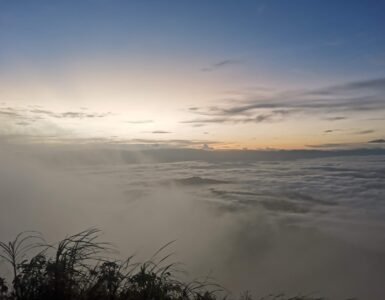
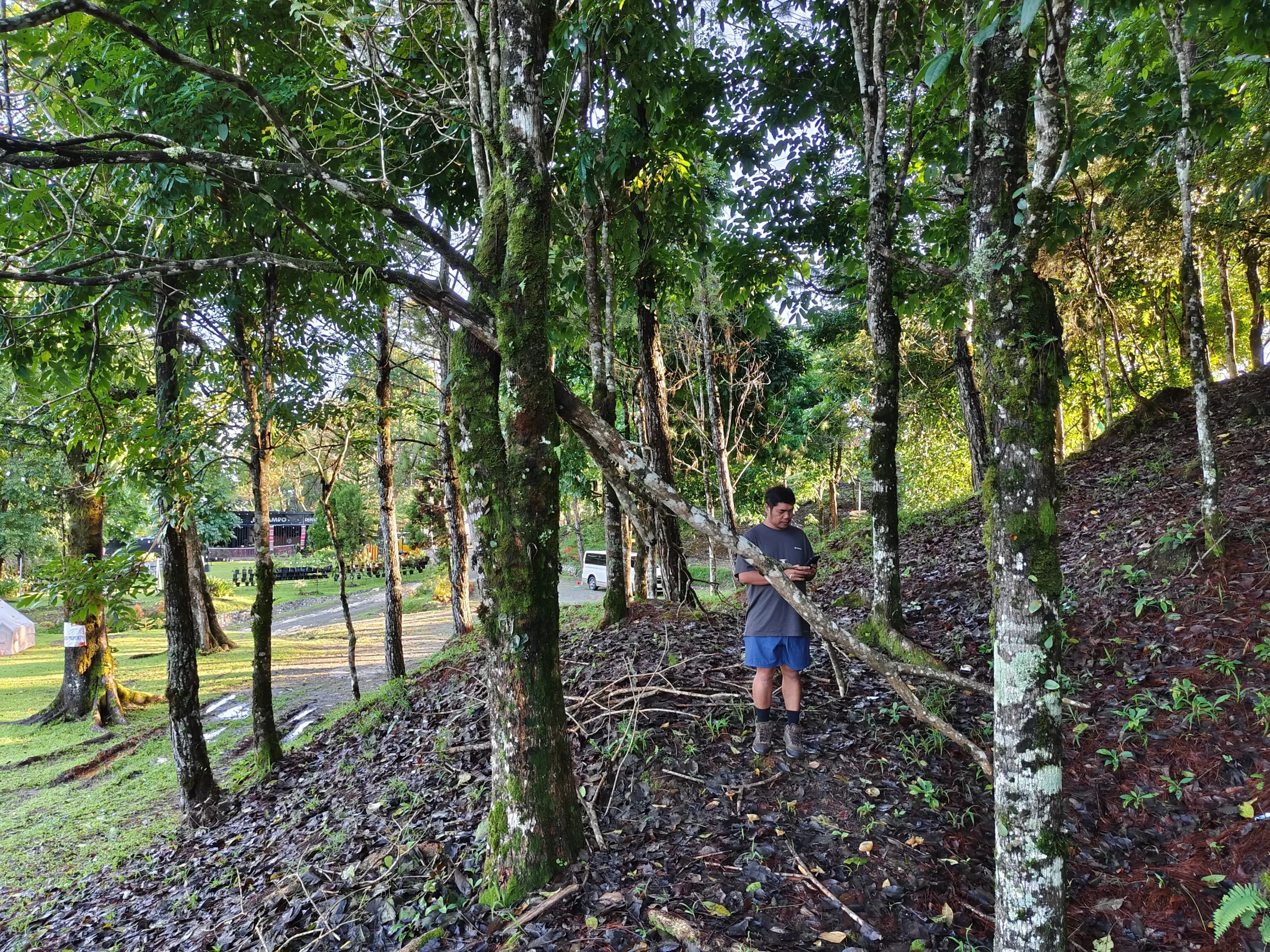
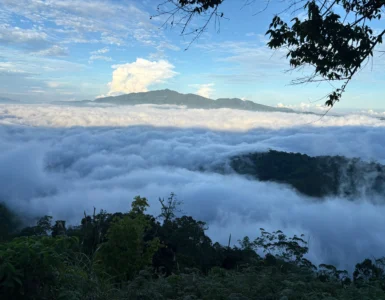
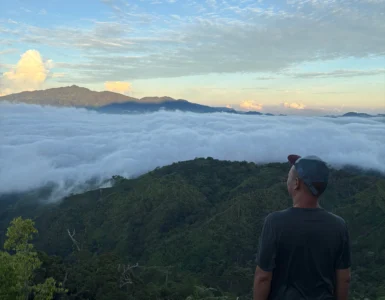
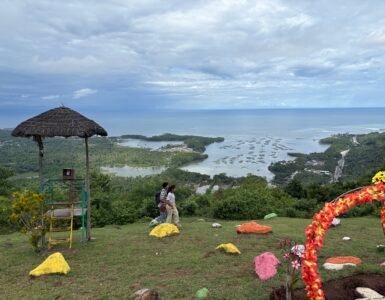
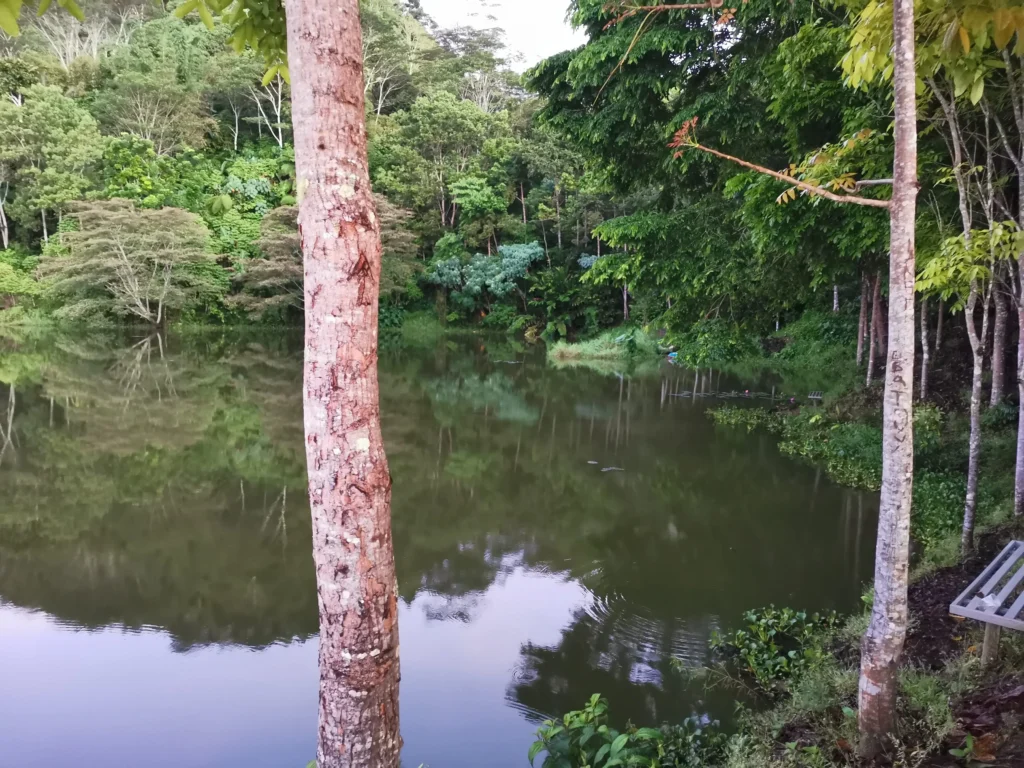
Lake Leonard is a 200-hectare freshwater crater lake nested within the volcanic massif of the Leonard Range. Located inside Barangay New Leyte, Maco—and heavily accessed via the neighboring town of Mawab—this breathtaking caldera sits roughly 800 meters above sea level, surrounded by pristine, old-growth dipterocarp forests. It is a place wrapped in thick, hauntingly beautiful morning fog that frequently refuses to lift even by midday, offering absolute serenity and a distinct, chilly solitude away from the lowland heat.
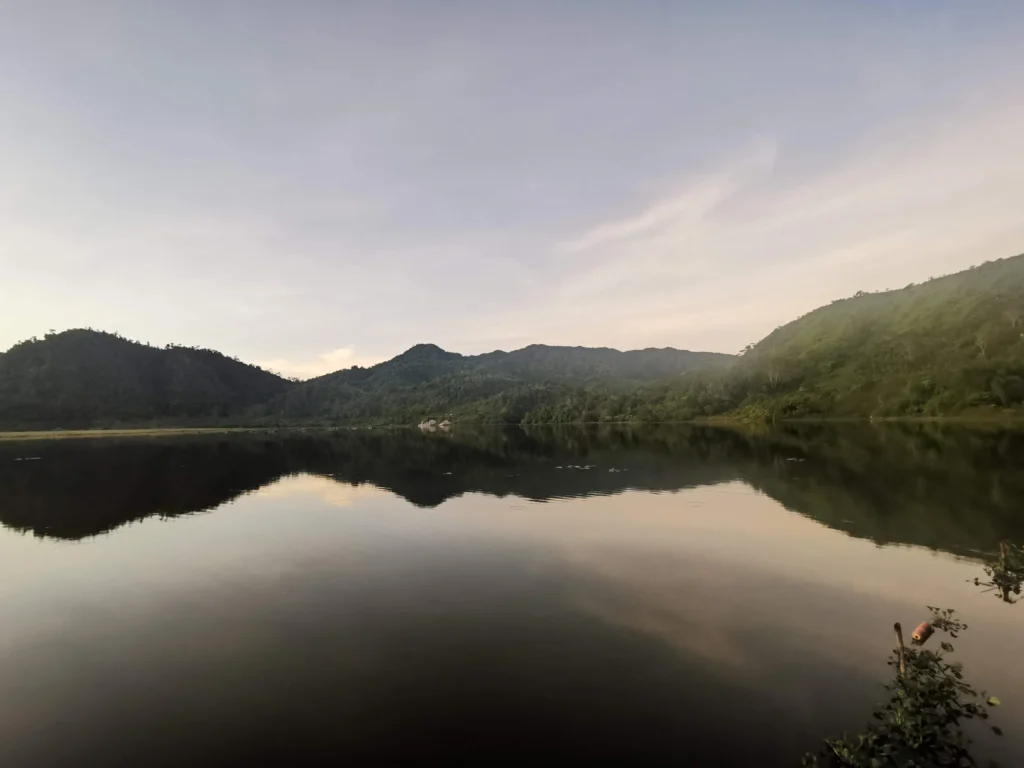
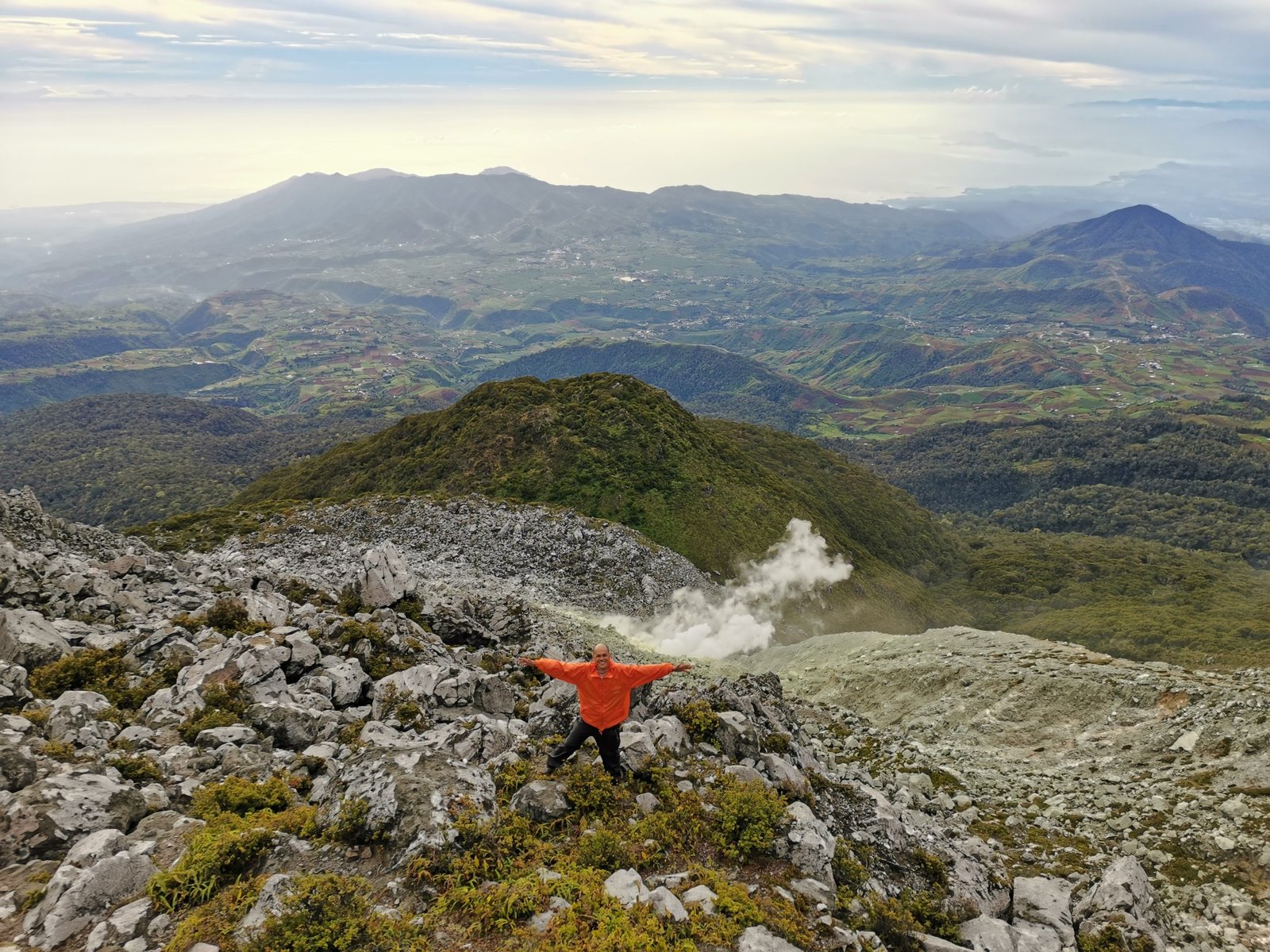
But don’t let its placid, glassy surface completely fool you. Monitored closely by PHIVOLCS, the lake sits directly inside an active volcanic complex, with boiling thermal solfataras, fumaroles, and sulfuric gas vents steaming silently along its southwest rim.
🏔️ Technical Specifications & Travel Costs
| Feature / Expense | Details |
| Elevation | ~800m Basin Base; surrounding peaks reach 1,080m to 1,190m |
| Volcanic Status | Active Stratovolcano (Monitored by PHIVOLCS) |
| Location | Barangay New Leyte, Maco, Davao de Oro |
| Entrance Fee | ₱30.00 per person |
| Overnight Camping Fee | ₱50.00 for tent pitch |
| Staging Junction | Gateway to Apo Amakan Crater, Tayaon Falls, & Arabaton Falls |
🌋 The Volcanic Blueprint: Inside Mt. Leonard Kniaseff
The Leonard Range has a deep geological history stretching back over 1.1 million years. Around 290,000 years ago, a massive phase of dome-building created the peaks that wrap around the region today. Eventually, one of the primary volcanic domes suffered a catastrophic explosive collapse, leaving behind a 4 x 5 km caldera that naturally filled with rainwater and mountain springs over millennia, transforming into the freshwater ecosystem we see today.
While its last confirmed explosive eruption occurred around 120 AD (give or take a century), the subterranean magma chamber is far from dead. The active Amacan-Gopod thermal area to the south and the Manat hot springs to the north serve as constant thermodynamic reminders of the sleeping giant beneath your campsite.
🐊 From “Crocodile Lake” to Leonard Kniaseff
Long before modern maps recognized this hidden water basin, the indigenous Mansaka people called this place Crocodile Lake. Ancestral folklore sowed deep fears among the tribal communities due to the hundreds of thousands of endemic Philippine Crocodiles (Crocodylus mindorensis) that once choked the lake’s marshy banks. Local legends still celebrate a 1960s Mansaka hunter named Habana, whose daring exploits confirmed the massive presence of these reptiles.
As late as the 1970s and 1980s, mining exploration teams documented countless tiny crocodiles basking along the dead leaves of the shorelines. However, severe post-war logging, agricultural expansion, and intensive poaching eventually drove the local crocodile population to near-extinction.
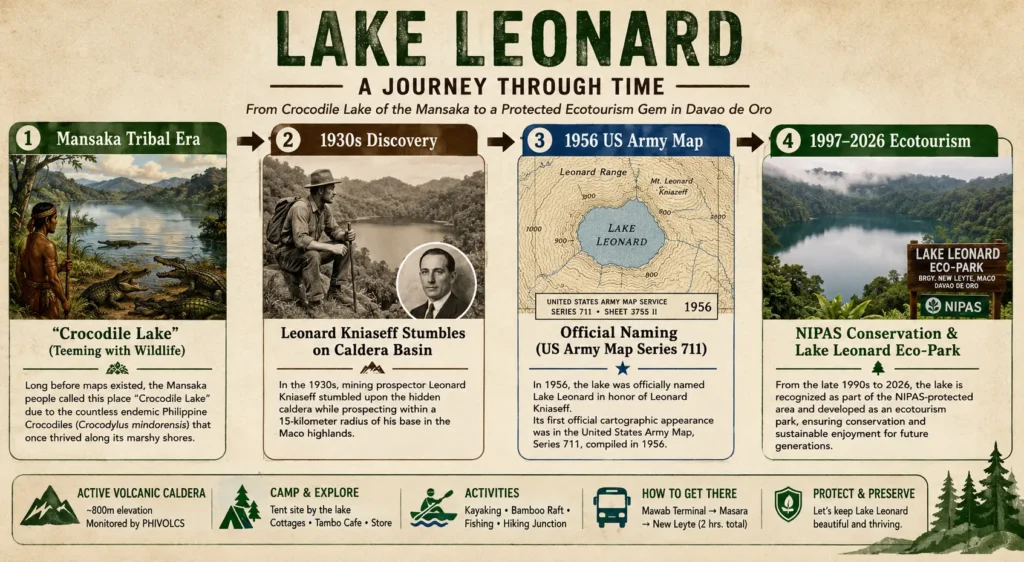
In 1956, the lake was officially renamed Lake Leonard in honor of Leonard Kniaseff, a pioneering post-war mining prospector and the first general superintendent of the Samico mining operations in nearby Masara. He had stumbled across the hidden caldera back in the 1930s while prospecting within a 15-kilometer radius of his base. Interestingly, the lake was so well-hidden in the hinterlands that the 1940 Census Atlas of the Philippines completely omitted it; its first official cartographic appearance was immortalized in the United States Army Map, Series 711, compiled in 1956.
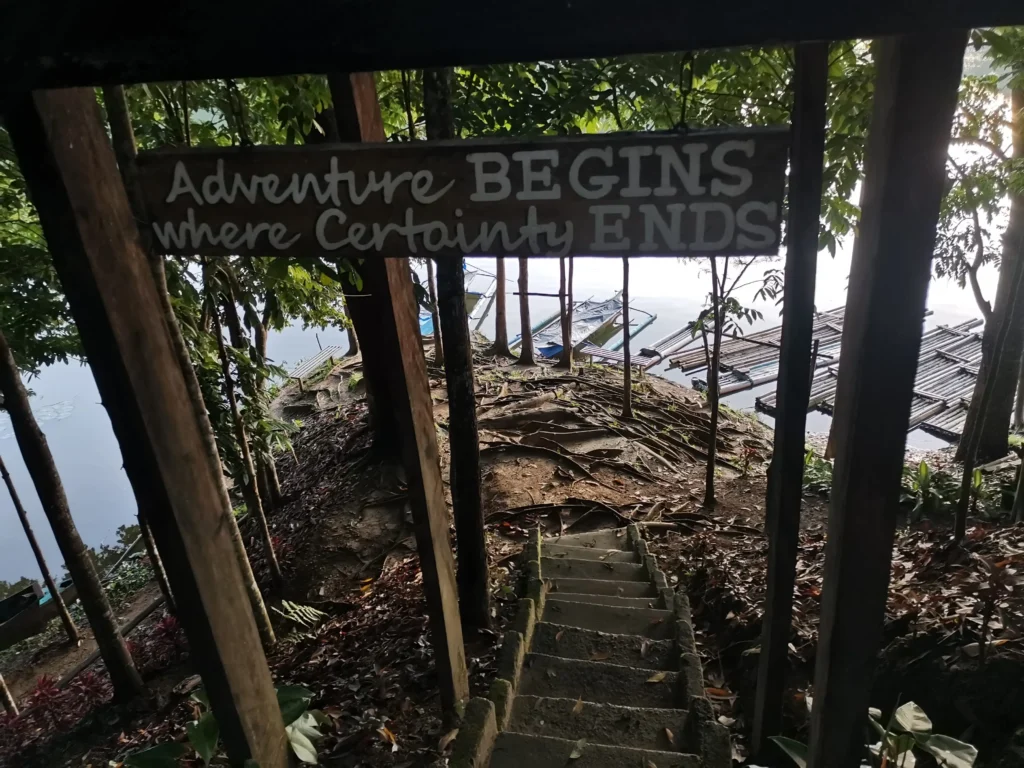
⛺ The Campground Setup & Tambo Cafe
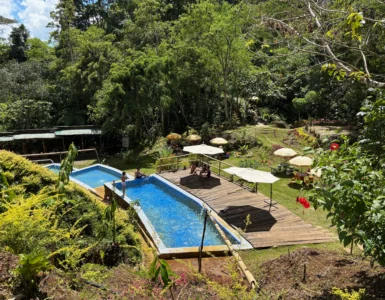
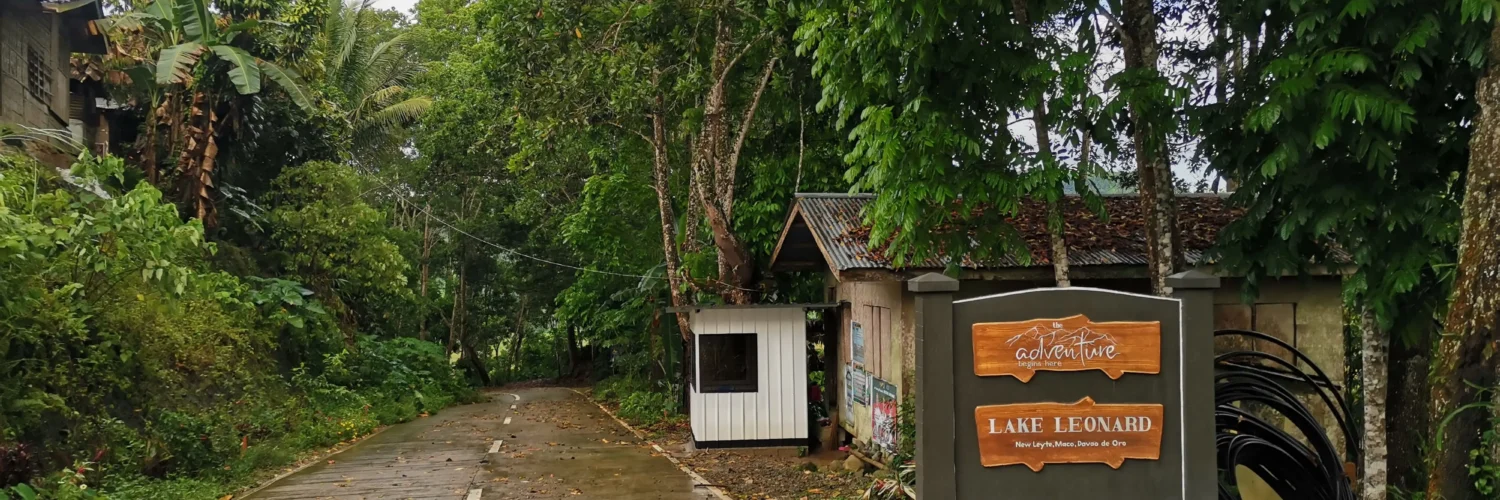
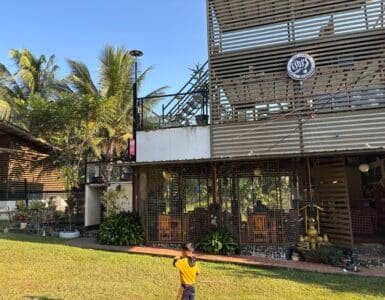
If you make the journey to the down-sloping entrance area of the lake, you will find a beautifully isolated ecotourism park managed by the local government unit of Maco.
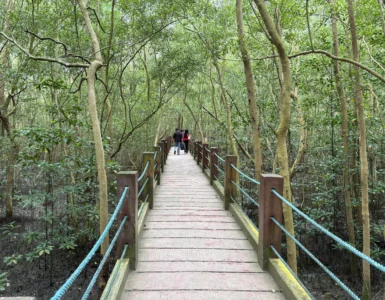
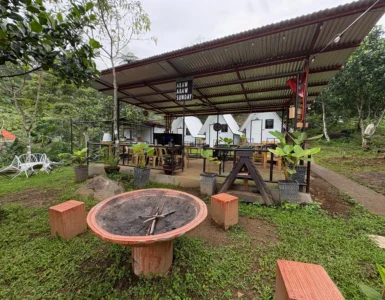
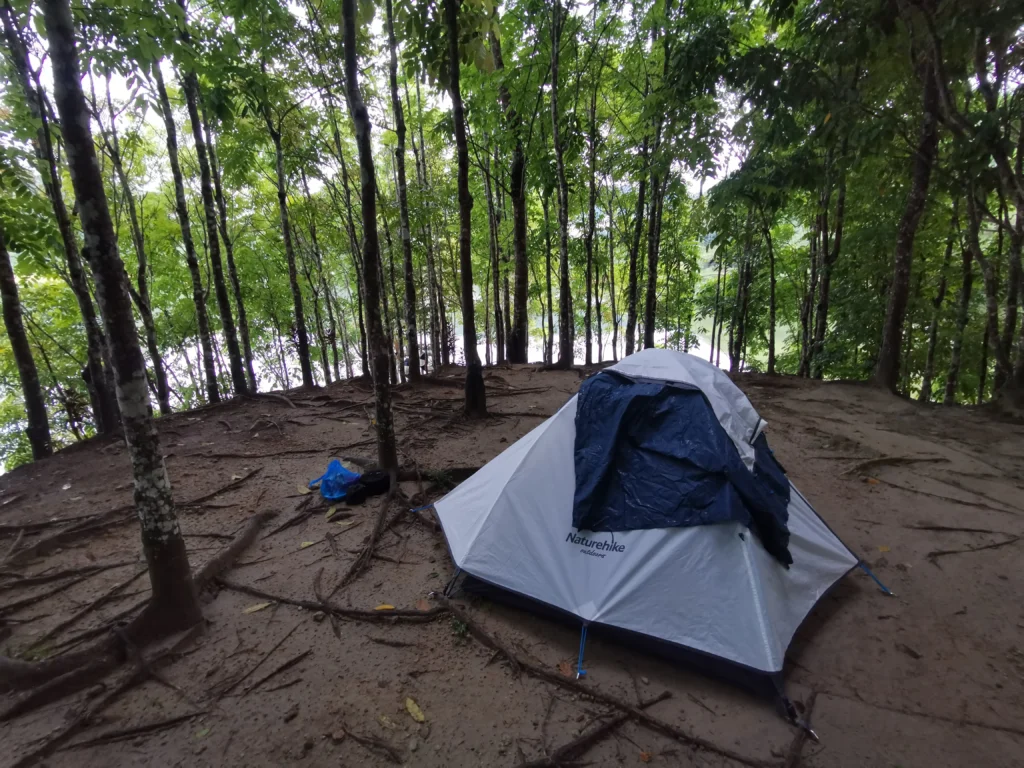
- The Tent Site: There is a dedicated, intimate clearing right beside the water’s edge encircled by a dense canopy of trees. It is small and exclusive, comfortably accommodating around 5 tents at a time—meaning you can easily enjoy pure solitude and quiet star-gazing.
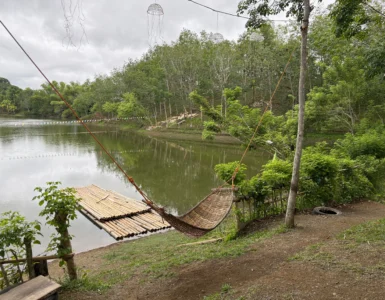
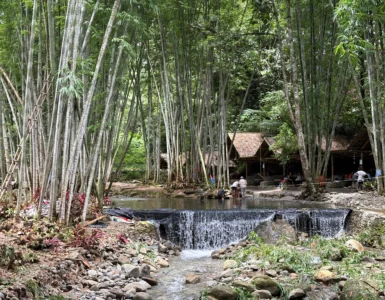
- Day-Tour Cottages: Open cottages line the bank, providing day-trippers with a secure place to store gear and pack boxes away from sudden mountain downpours.
- The On-Site Store: A basic convenience store on the grounds sells essential food items, snacks, and emergency supplies if you forget to pack rations.
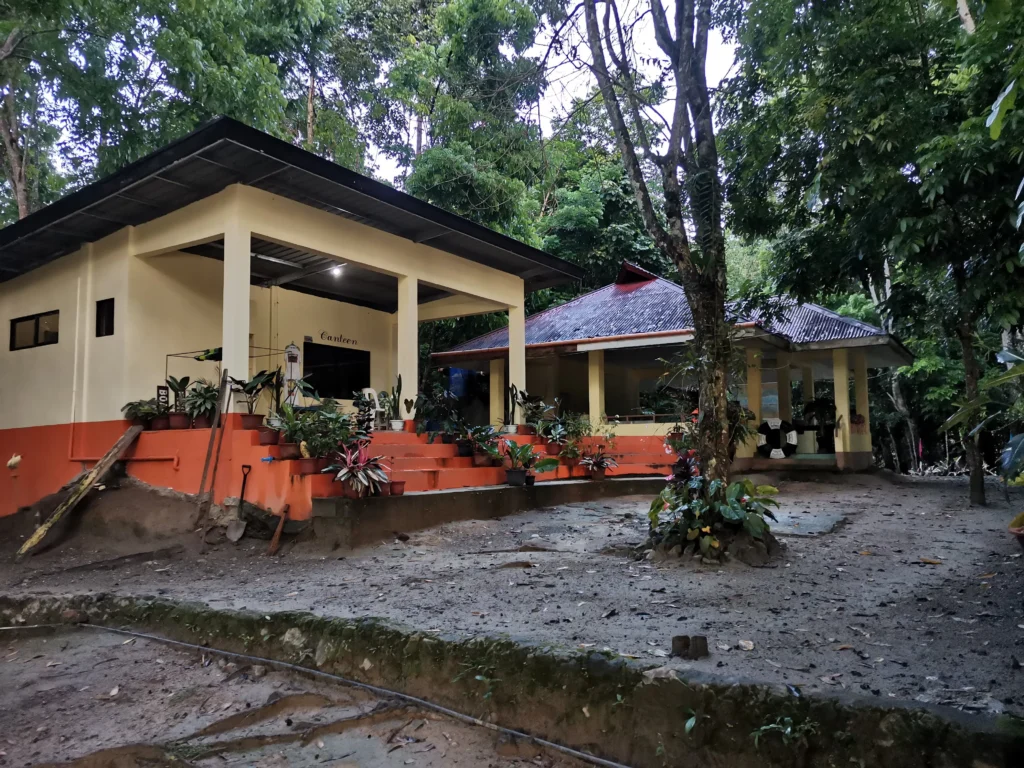
- Tambo Cafe: Positioned perfectly to overlook the misty water, this local spot is where you can sip hot native coffee or rich, traditional Sikwate (hot chocolate) while watching the morning fog ripple across the caldera.
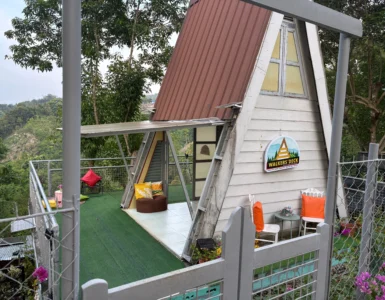
- ⚠️ The Room Closure Warning: While the property features overnight rooms attached to the cafe structure, they have been closed since July 2023 until further notice. Day tours and tent camping remain your primary options, though the community hopes to resume full room lodging operations soon.
🚣 Activities & The Hiking Junction
Lake Leonard is the ultimate multi-sport outdoor staging hub in Davao de Oro. Because the water quality has fully revived following historical mining disturbances from 1984 to 1992, the aquatic ecosystem now supports localized tilapia aquaculture and various recreational sports.
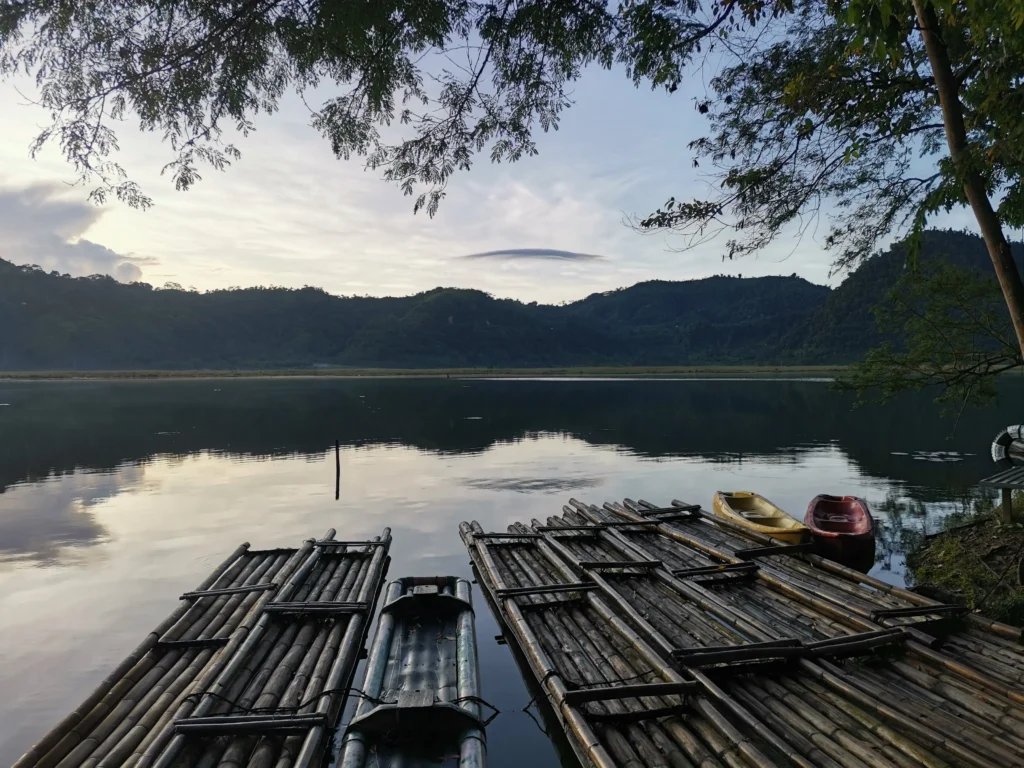
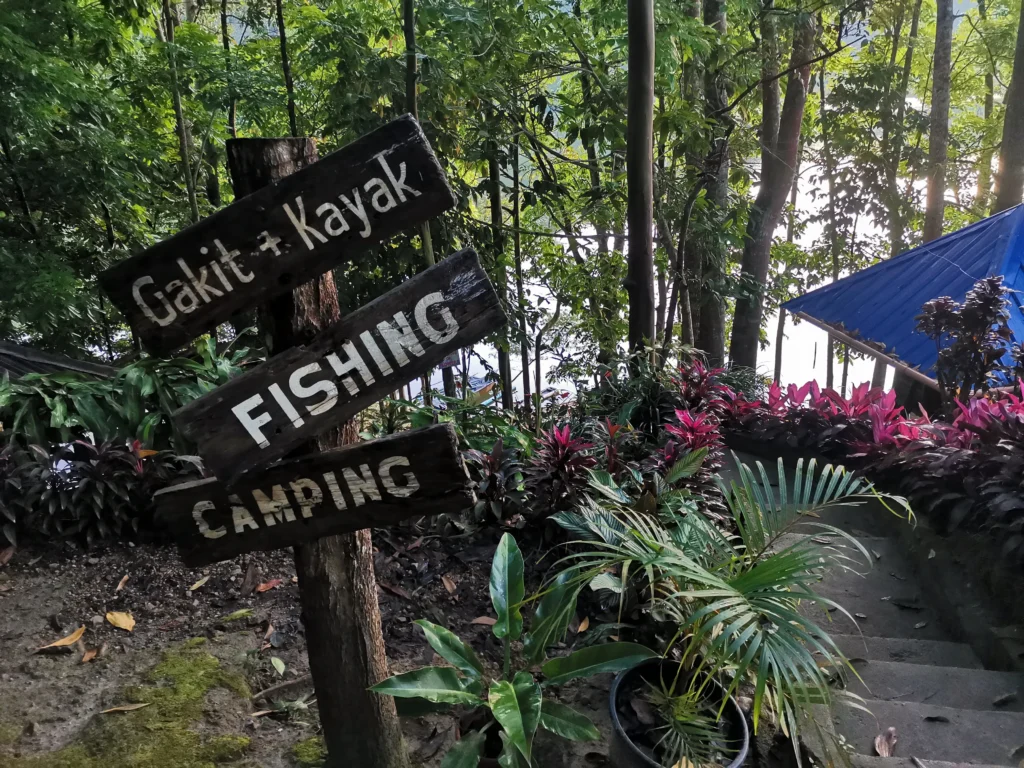
Visitors can rent bamboo rafts, spend the afternoon kayaking, or try their hand at line fishing on the placid waters.
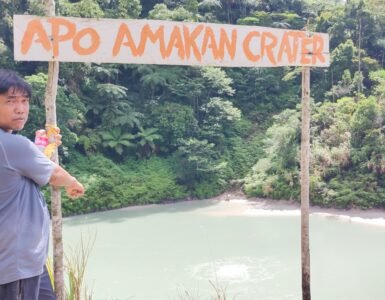
Beyond the shoreline, the eco-park serves as a vital trail junction for mountaineers. It is the definitive launching point if you plan to trek out to the boiling, sulfur-stained Apo Amakan Crater, or hunt down the cascading waters of Tayaon Falls and Arabaton Falls.
⚠️ Candid Reality Check: Siltation & Travel Logistics
To keep your “tuhod-tested” journey safe and realistic, you must look closely at the environmental and transit constraints of the Maco/Mawab hinterlands:
1. The Public Transport Bottleneck
Reaching Barangay New Leyte is notoriously challenging. Public transport is highly limited; only a few small, localized buses service the area on a strict, sparse daily time schedule. If you miss the morning bus, your only option is hiring an expensive habal-habal (motorcycle) or matching schedules with local jeepneys traveling towards the Masara mining district. Careful, defensive schedule planning is mandatory.
2. Watershed Siltation & Land Stability Warnings
Decades of logging, road construction, and shifting agricultural cultivation along the upper slopes have left the lake margins heavily silted. Furthermore, historical mine tailings from the nearby Masara district have left trace heavy metal challenges (lead, nickel, and cadmium) under ongoing monitoring.
The terrain in this active geothermal zone can be highly unstable during long periods of tropical rain. Travelers should always check local weather advisories before heading out, keeping in mind the lessons of the tragic, rain-induced landslide that occurred in the nearby Masara mining community on February 6, 2024.
🚗 How to Get There
- From Davao City / Tagum City: Board a northbound bus from Ecoland Terminal or Tagum and travel to the Mawab Public Terminal (approximately a 25-minute ride if originating from Tagum).
- From Mawab Terminal: Hire a specialized habal-habal motorcycle or a localized passenger jeepney heading toward Barangay Masara.
- The Final Leg: From Masara, take a final motorcycle connection up the mountain roads directly to the entrance gate of Barangay New Leyte, Maco. The total travel time from the highway hub is roughly two hours.
🧐 Frequently Asked Questions (FAQ)
Q: How much does it cost to visit and camp at Lake Leonard?
A: The entrance fee to the Lake Leonard Ecotourism Park is ₱30 per person, and pitching an overnight tent costs an additional ₱50.
Q: Are the overnight rooms at Lake Leonard open?
A: No. The overnight rooms located at the Tambo Cafe have been closed since July 2023 until further notice.
Q: Is Lake Leonard an active volcano?
A: Yes, Lake Leonard is a freshwater caldera lake located inside Mount Leonard Kniazeff. It is officially classified as an active stratovolcano by PHIVOLCS and features active, sulfuric solfataras and steam vents along its rim.






 Dxtrometorphan