 Dexter Priete
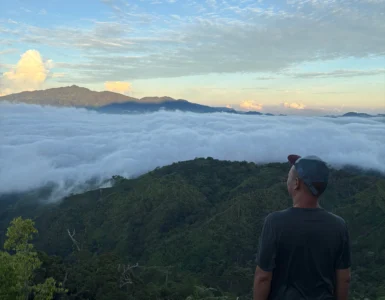
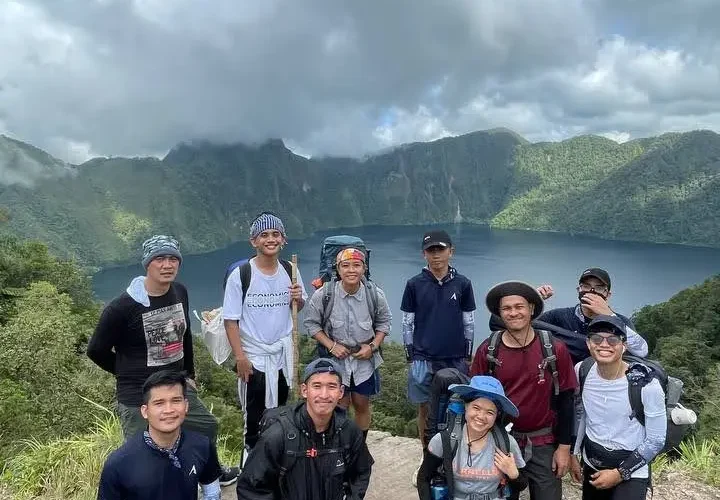
Can you fall in love with a geographical feature? Anyone who has stood atop the high view decks of Lake Holon in T’boli, South Cotabato knows the feeling of trail butterflies.
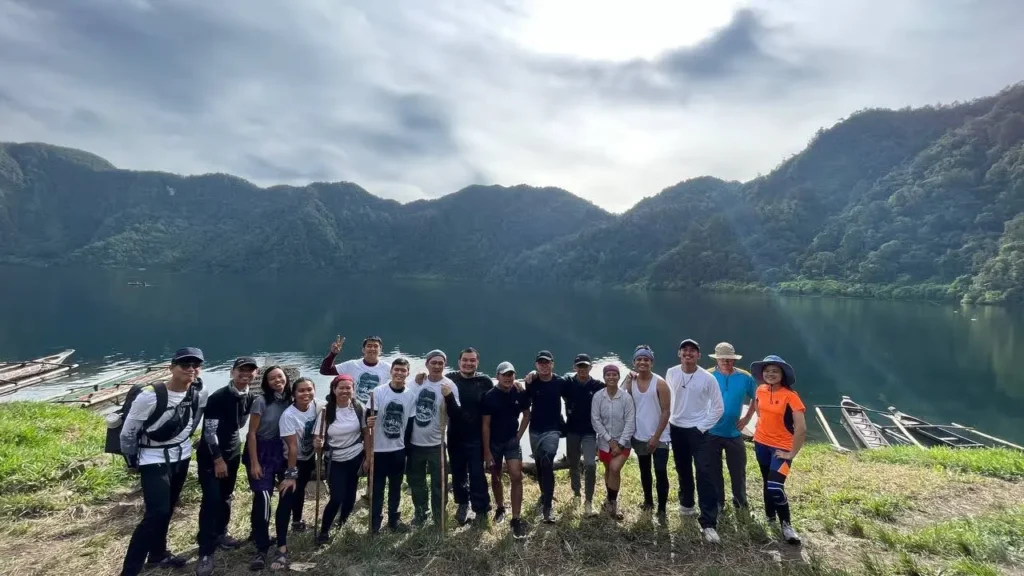
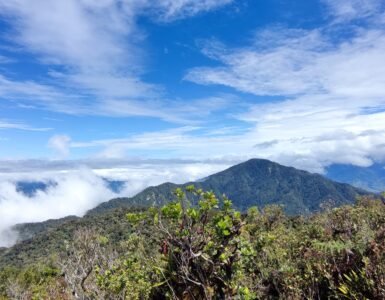
Nestled inside the crater of Mount Melibengoy (Mt. Parker), this spectacular body of water spans over 300 hectares and is widely celebrated as the cleanest inland lake in the Philippines. Surrounded by towering peaks and deep, shifting shades of emerald and sapphire, it serves as a high-altitude sanctuary where exhausted souls go to hit the brakes, practice radical self-care, and escape the non-stop noise of modern life.
Technical Specifications
| Feature | Details |
| Elevation | ~1,400 to 1,800 MASL (Crater Ridge to Peak) |
| Location | Poblacion T’boli, South Cotabato, Mindanao |
| Classification | Active Stratovolcano (Mount Melibengoy) |
| Difficulty | 3/9 to 4/9 (Minor Climb / Moderate Trek) |
| Trek Time | 3 to 6 hours (Depending on trail selection and pace) |
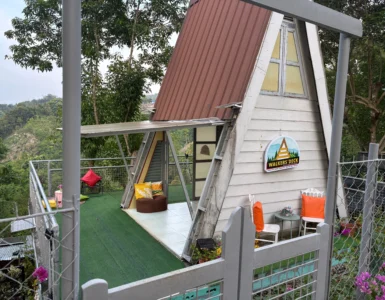
| Campsite Features | Flat lakeside camping, total digital detox, volcanic sand terrain |
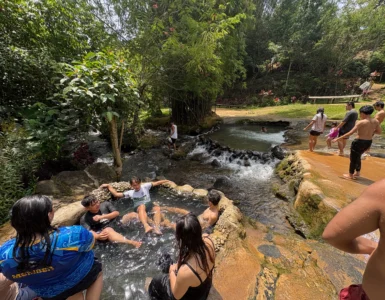
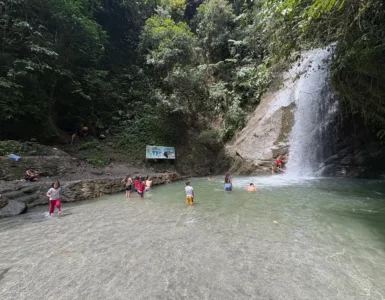
| Side Trips | T’boli Hot Springs, Cold Springs, local caves, and Lake Sebu |
Crucial Pre-Requisite: No Walk-Ins Allowed
You cannot simply show up at the trailhead. To protect the cultural and ecological sanctity of Mount Melibengoy, the local government enforces strict visitor caps. You must register and secure your booking slot through the T’boli Municipal Tourism Office before traveling.
- Email: tourism.tboli@gmail.com
- Contact: 0938 026 7147
The Two Trails: Choosing Your Challenge
To reach the lakeside campsite, you must select one of two distinct routes managed by the local T’boli tribal guides. Most multi-day circuits utilize both by ascending via one and descending via the other.
                  [Mount Melibengoy Crater Ridge]
                             /          \
              (High View Deck)          (Gradual Ridge)
                    /                             \
          [Kule Trail: 5-6 Hrs]         [Salacafe Trail: 3-4 Hrs]
                  /                                 \
         (Habal-Habal Hub)                  (Gradual Dirt Road)
1. The Kule Trail (The Photographer’s Choice)
- Trek Time: 5 to 6 hours
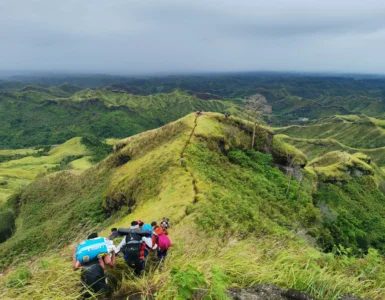
- Terrain: Steep, rugged forest paths, root climbs, and exposed mountain ridges.
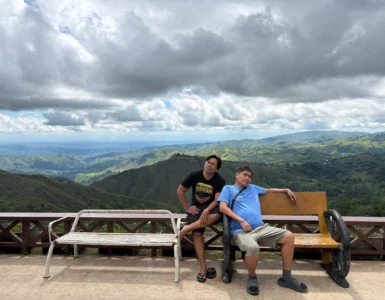
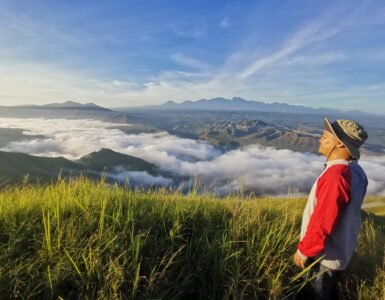
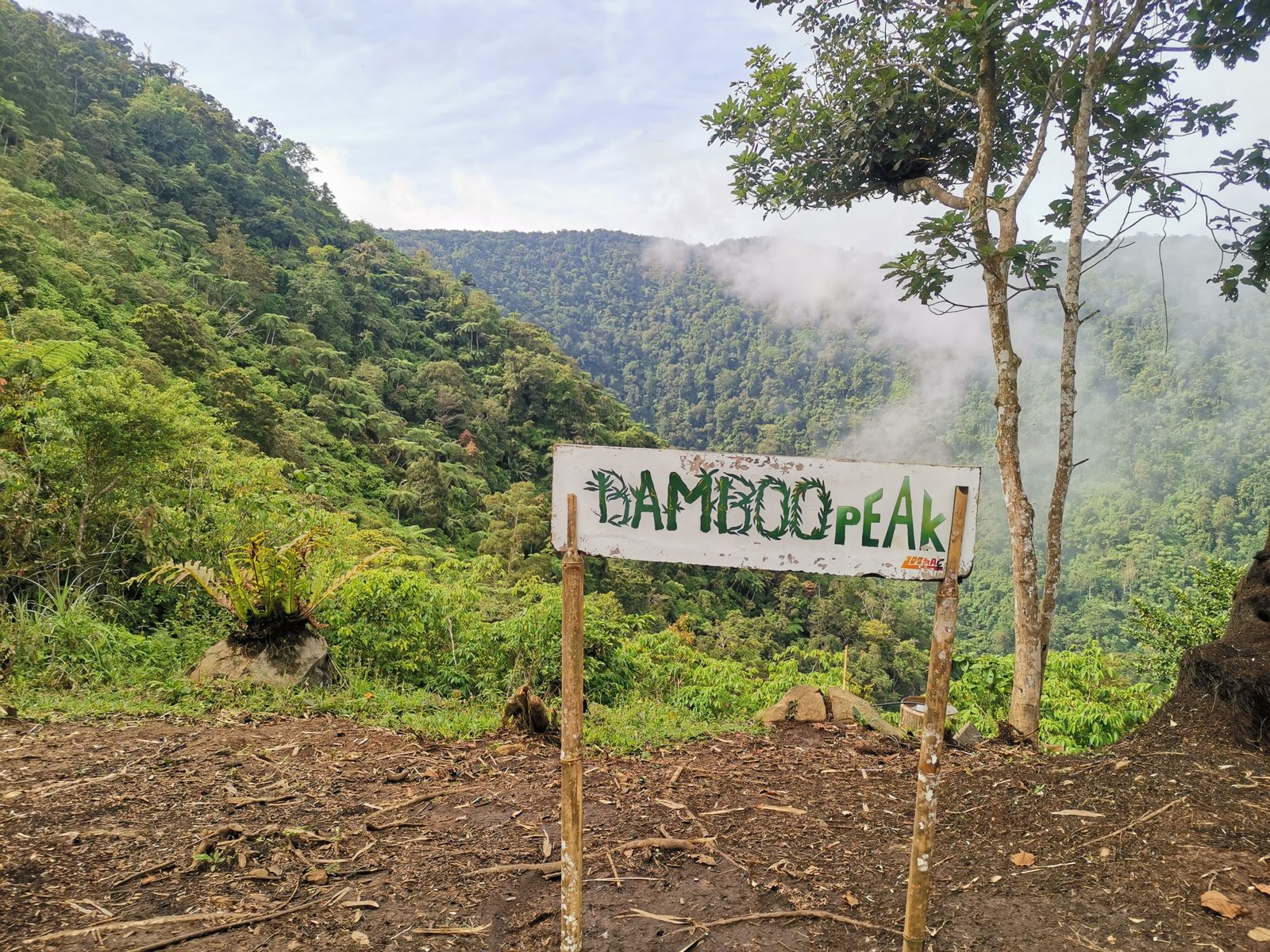
- The Highlight: This route is physically demanding but rewards you with an unmatched, panoramic view of the entire crater lake from the famous Kule Viewing Deck.
2. The Salacafe Trail (The Gentle Approach)
- Trek Time: 3 to 4 hours
- Terrain: Broad, gradual dirt paths with a continuous but gentle uphill grade.
- The Highlight: Considerably easier on the knees, making it the perfect recovery track or exit path. It features wide clearings where you can rent horses or chat with fellow hikers while enjoying the cool mountain air.
Volcanic Realities, Local Folklore & Mysteries
Beyond its postcard-ready aesthetic, Lake Holon is shrouded in deep cultural mystique and active geothermal activity.
The Nine Guardian Pillars & Diwatas
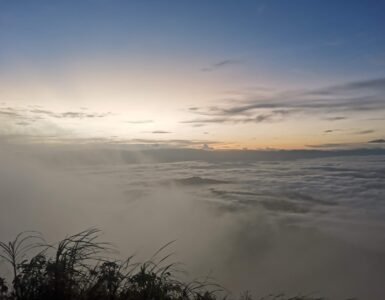
The lake is closely ringed by nine distinct mountainous formations or pillars. Local tribal lore holds that these peaks are the ancient, timeless guardians of the lake. According to local folklore, the first ancestors who discovered the crater were overcome by an intense, overwhelming reverence; they believed the landscape was strictly protected by their gods, who only permitted humans to look upon its beauty rather than exploit it. To this day, stories persist of diwatas (fairies) residing within the heavy mists that blank the water.
The Mountains Under the Water
Lake Holon is locally believed to be completely bottomless, as no modern diver has ever successfully reached or mapped its absolute deepest floor. However, a fascinating piece of local lore tells of a brave diver who once descended deep into the abyss. He described the subterranean landscape as a mirror of the earth above: a massive, hidden cavern containing jagged, underwater mountain ranges submerged within the crater.
Geothermal Activity & Water Fluctuations
Because Mount Melibengoy is an active volcano, the lake behaves like a living breathing entity:
- Crater Spurts: On exceptionally calm, still mornings, lookouts from the high view decks can spot hot water bubbling and spurting directly out of the middle of the lake.
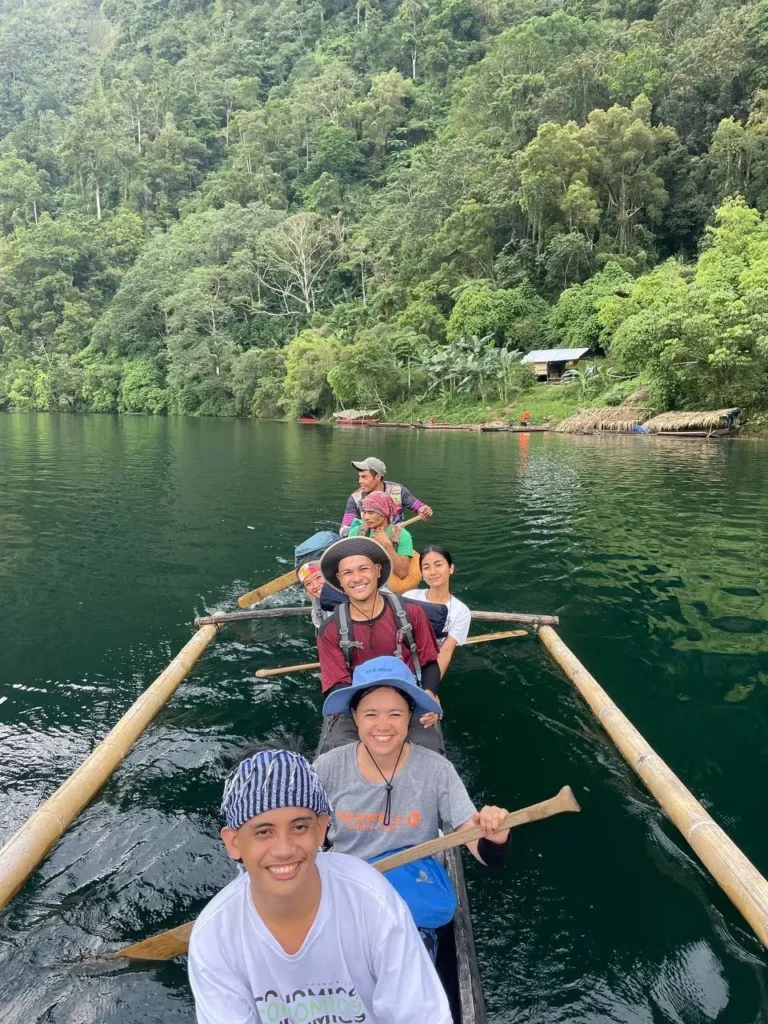
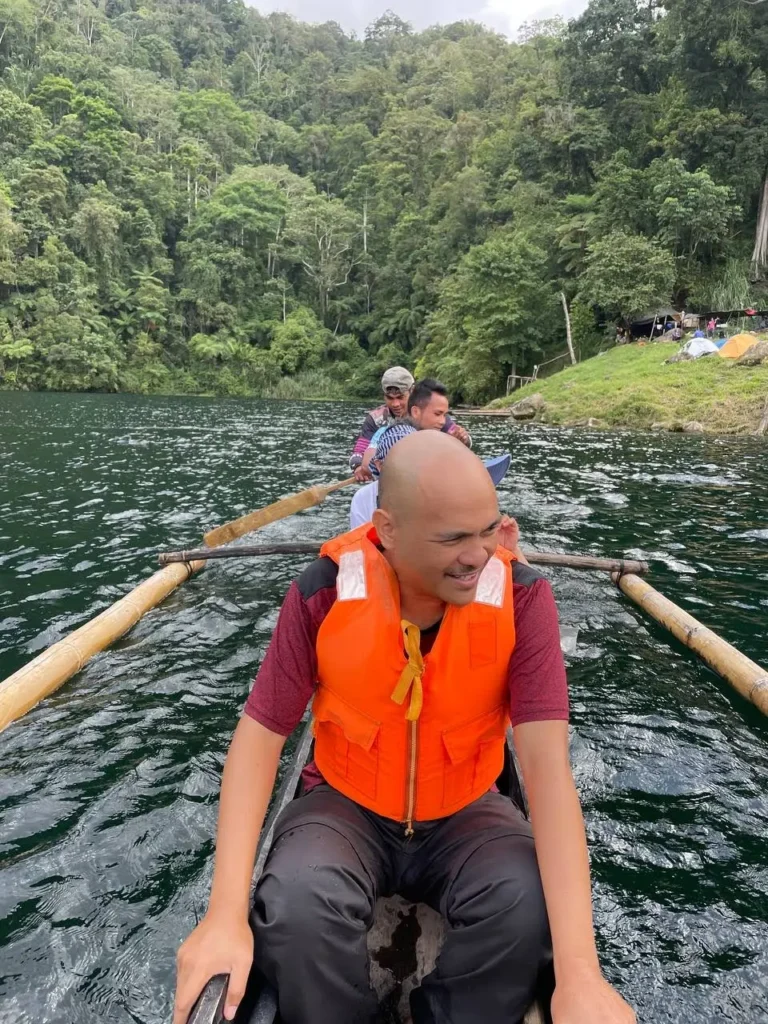
- The Hidden Hot & Cold Springs: Navigating a traditional canoe to the farthest, most isolated side of the crater reveals a flowing natural hot spring emitting distinct sulfuric smoke and gases. Conversely, an entirely separate portion of the lake hosts a crisp, refreshing cold spring.
- Irregular Swells: The volcano’s underground shifts have occasionally caused the crater waters to rise rapidly and mysteriously well beyond normal shoreline boundaries.
Lakeside Survival, Safety & Dining Intel
+--------------------------------------------------------+
|               LAKE HOLON CAMPSITE LAYOUT               |
|                                                        |
|   [Water Edge] ---> (Strictly Shallow Swimming Only)   |
|         |                                              |
|   [Flat Ground] --> (15-20 Tent Clusters / Porter Hub) |
|         |                                              |
|   [Tree Line] ----> (Local Stalls / Tilapia Grills)    |
+--------------------------------------------------------+
- ⚠️ Swim Warning: Open-water swimming across the lake is highly discouraged and strictly prohibited. Due to the extreme, unmeasured depths and the presence of active sulfuric vents, swimming is exclusively permitted within a safe, designated distance close to the land.
- The Climate: Do not be fooled by the tropical sun during the day. As dusk sets over the crater, temperatures drop quickly under the shadow of the mountain guardians. Packing a high-quality thermal jacket, warm blankets, and a proper sleeping bag is non-negotiable.
- Digital Detox: Expect a complete break from the digital world. There is no Wi-Fi and virtually zero cellular signal at the lakeshore. Use this structural isolation to disconnect from your feeds and reconnect with the camp community.
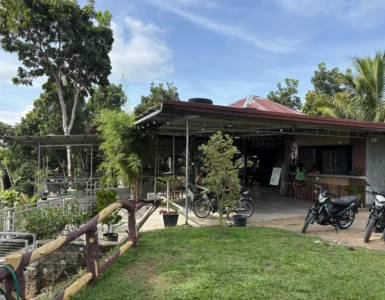
- Lakeside Dining: The lake’s unique volcanic ecosystem yields an abundance of freshwater tilapia. Local guides regularly catch them fresh from the crater to sell and serve grilled at the campsite stalls—an absolute must-try pair with native, locally-brewed T’boli coffee.
- The Mighty Outlet: When leaving, you can visit The Outlet. This area features a massive, powerful volume of water that roars out of the crater and rushes down into the lowland forests, serving as the life-giving artery that nourishes the entire surrounding ecosystem.
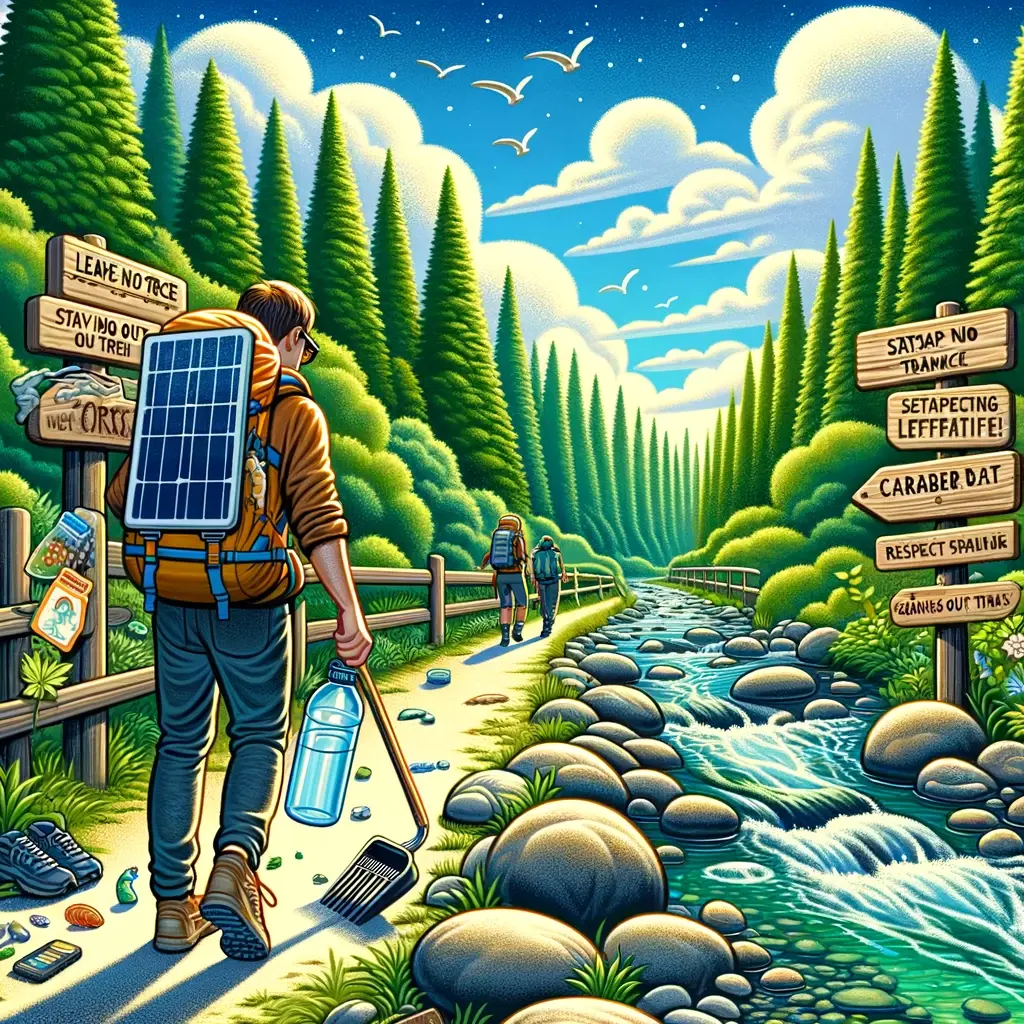
- Environmental Responsibility: The T’boli people enforce an uncompromising Leave No Trace (LNT) policy. The lake is pristine because single-use plastics are highly discouraged, and every piece of trash you generate must be packed out upon exit.
Standard 2D1N Itinerary (Davao Departure)
Day 1: The Outward Journey & Ascent
- 12:30 AM – Assembly and meetup at 7-Eleven Southerland, Davao City.
- 01:00 AM – Van departure; travel through the endless agricultural plantations of South Cotabato.
- 06:30 AM – Arrival in T’boli Town Center. Secure permits, complete registration, and eat breakfast.
- 07:00 AM – Habal-habal transfer to the Kule trailhead.
- 08:30 AM – Mandatory cultural orientation and safety briefing at Kule Station.
- 09:00 AM – Start Hike (Kule Trail). Pace yourself through the forest sections.
- 11:30 AM – Arrival at the Kule View Deck. Rest, take unedited photos of the crater, and eat lunch.
- 12:00 PM – Begin descent to the inner crater docking station.
- 01:00 PM – Boat transfer across the crystal waters to the main campground.
- 02:00 PM – Pitch tents, take a nap, or enjoy the natural lakeside fish spa.
- 06:00 PM – Hearty lakeside dinner featuring fresh crater-caught grilled tilapia.
- 07:00 PM – Lights out / Socials under a clear star canopy.
Day 2: The Outlet & Salacafe Descent
- 05:00 AM – Wake-up call to watch the sunrise emerge over the crater peaks.
- 06:58 AM – Optional boat ride to The Outlet to witness the roaring water exit.
- 08:13 AM – Return to camp for a nutrient-dense breakfast (fruits, local proteins, and coffee).
- 09:33 AM – Break camp and pack out all waste.
- 10:43 AM – Ascend to the Salacafe ridge view deck.
- 12:00 PM – Arrival at Salacafe jump-off point. Wash up, enjoy local refreshments, and prepare for the return trip to Davao City or optional side tours in Lake Sebu.
Essential Packing List
- Sturdy hiking shoes or high-traction trail sandals
- Double-layered tent (Rentals are available on-site if arranged early)
- Insulated sleeping bag or thick thermal blankets
- Windbreaker or fleece jacket for the evening chill
- Reusable water bottle (Minimum 1-2 Liters)
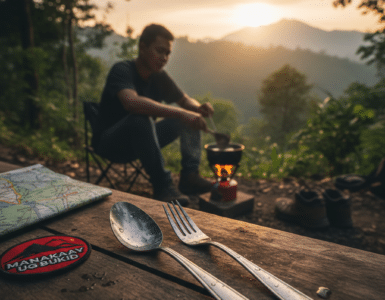
- Personal mess kit (Spoon, fork, and plate)
- Emergency cash for porters, boat rides, and local native coffee
Frequently Asked Questions (FAQ)
Q: Is Lake Holon an active volcano? A: Yes. Lake Holon is the crater lake of Mount Melibengoy (Mt. Parker), which is a classified active stratovolcano. Geothermal indicators like lakeside hot springs and sulfuric gas vents are visible around the crater.
Q: Why is open swimming restricted at Lake Holon? A: The lake is incredibly deep and widely believed by locals to be bottomless. Due to steep drop-offs close to the shore, under-surface volcanic activity, and high sulfuric concentrations, swimming is strictly limited to shallow areas near the land.
Q: What is the significance of the mountains surrounding the lake? A: The crater is framed by nine major mountain peaks. In T’boli folklore, these are revered as the guardian pillars of the lake, protecting its sacred waters.









 Dxtrometorphan