 Dexter Priete
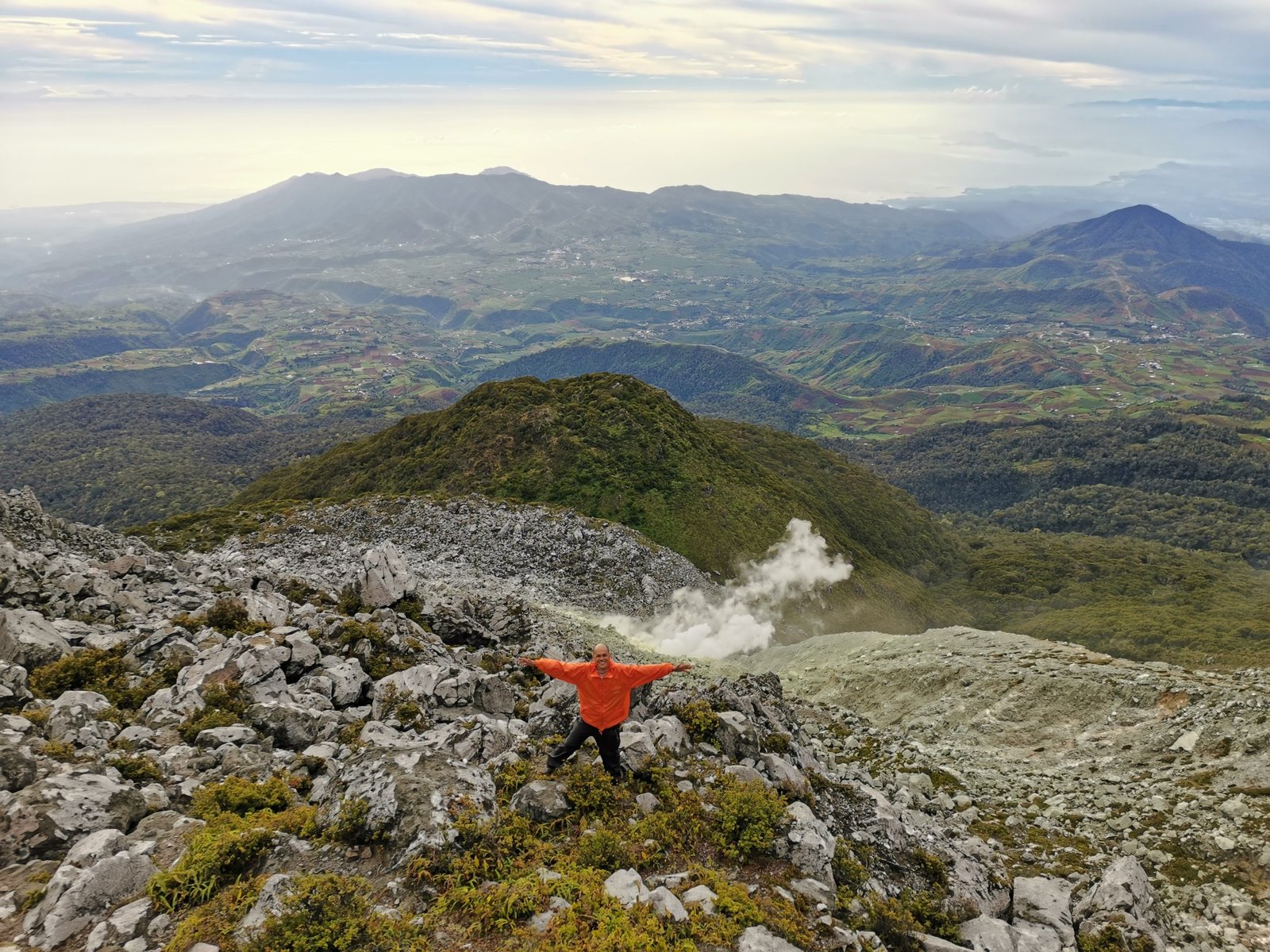
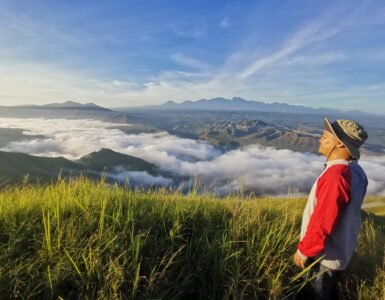
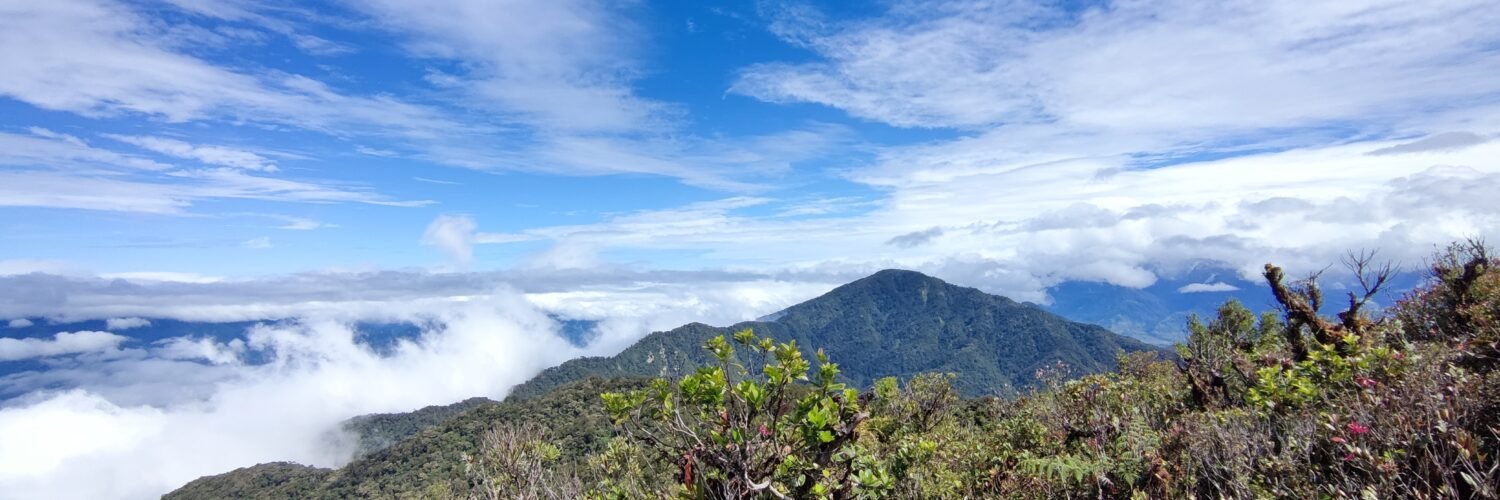
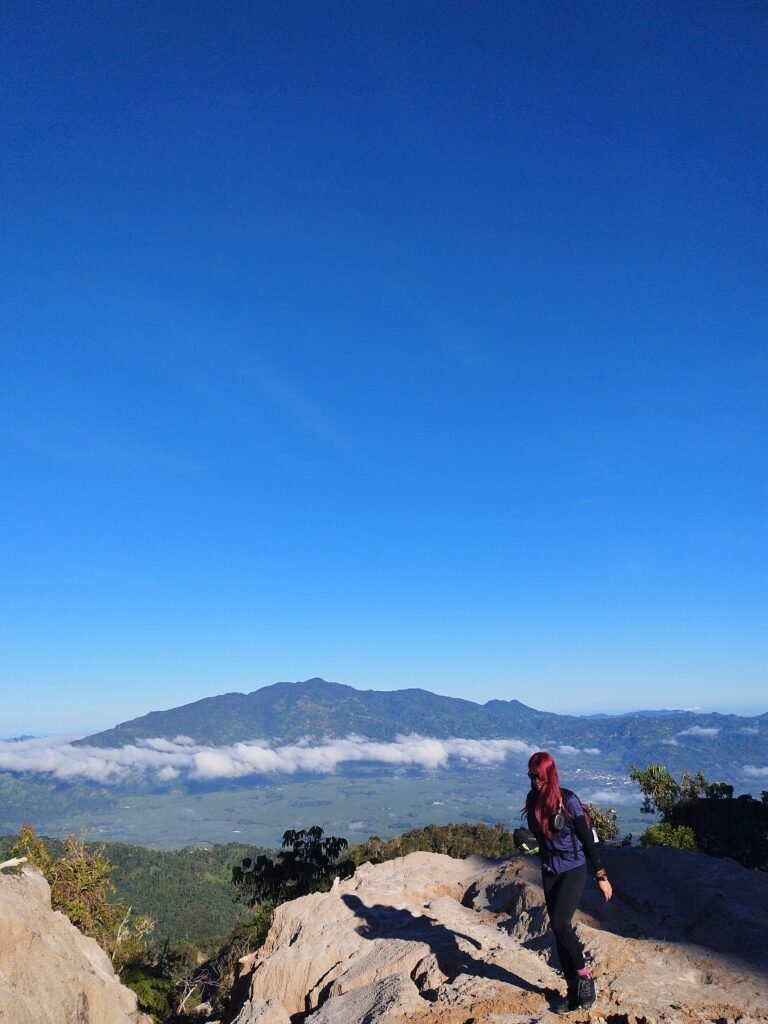
Standing at a staggering 2,240 MASL, Mt. Kalumotan in Maragusan, Davao de Oro, is one of the highest and most mysterious peaks in the region. Derived from the Cebuano word “lumot” (moss), the mountain is named for its thick, prehistoric mossy forests.
However, Mt. Kalumotan is currently a mountain of contrasts: a place of untouched biological beauty struggling against rapid human encroachment. For the serious mountaineer, it offers a “Major Climb” experience that is as challenging as it is heartbreaking.
Technical Specifications
- Elevation: 2,240 MASL
- Difficulty: Major Climb (Class 4-5 scramble)
- Location: Brgy. Bahi, Maragusan, Davao de Oro
- Trail Type: Backtrail (formerly raw/natural, currently affected by road construction)
- Features: Mossy forests, Pygmy trees, Bonsai, Pitcher plants (Nepenthes)
The Experience: Scrambling through the Lumot
The Mossy Forest & Pygmy Trees
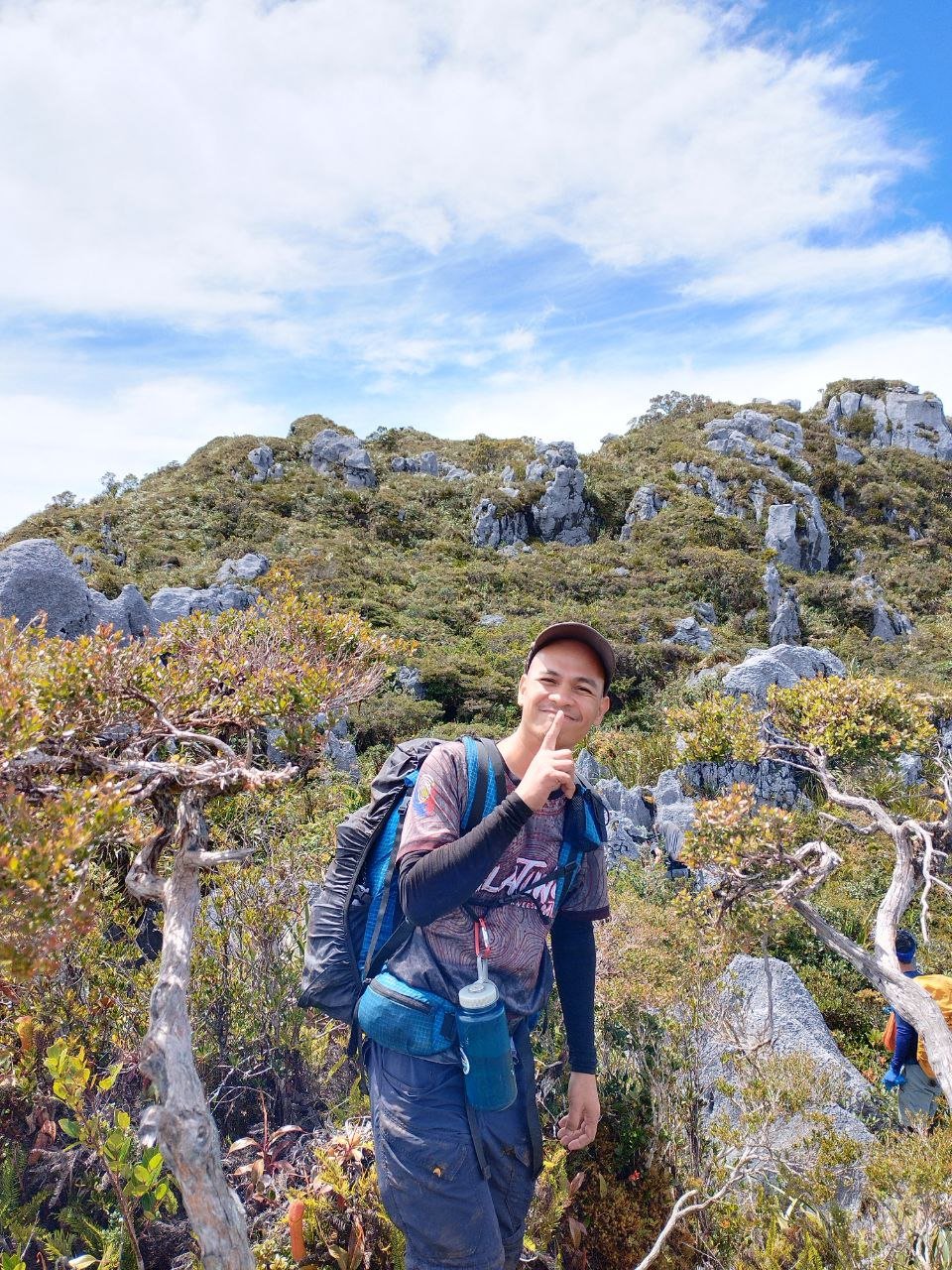
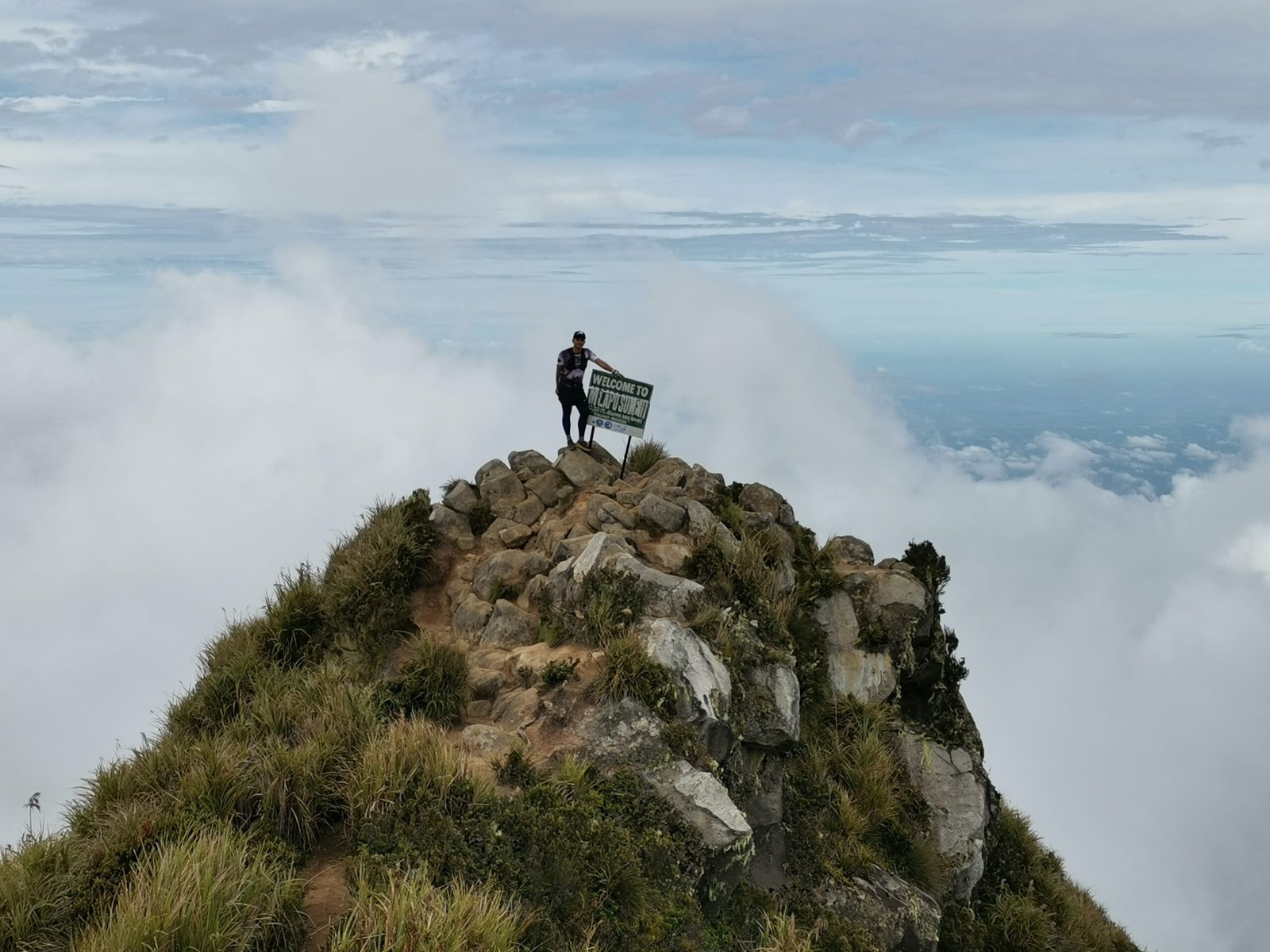
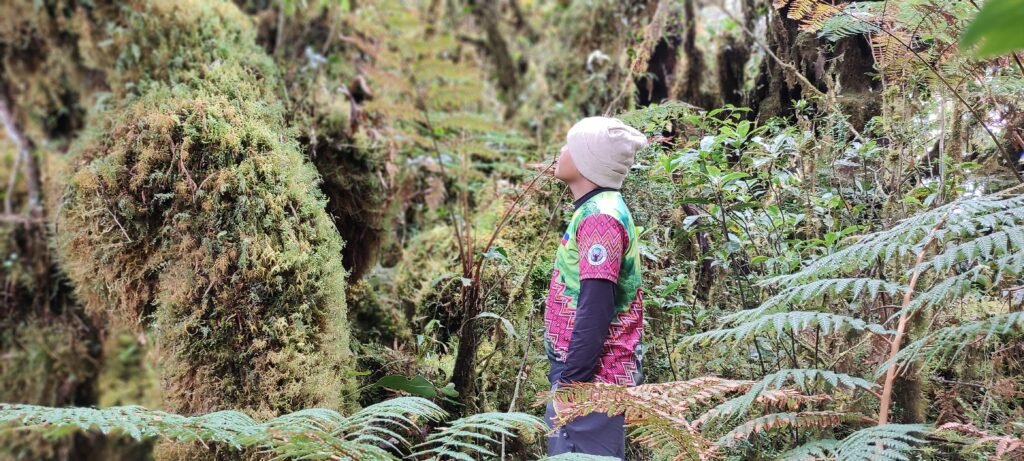
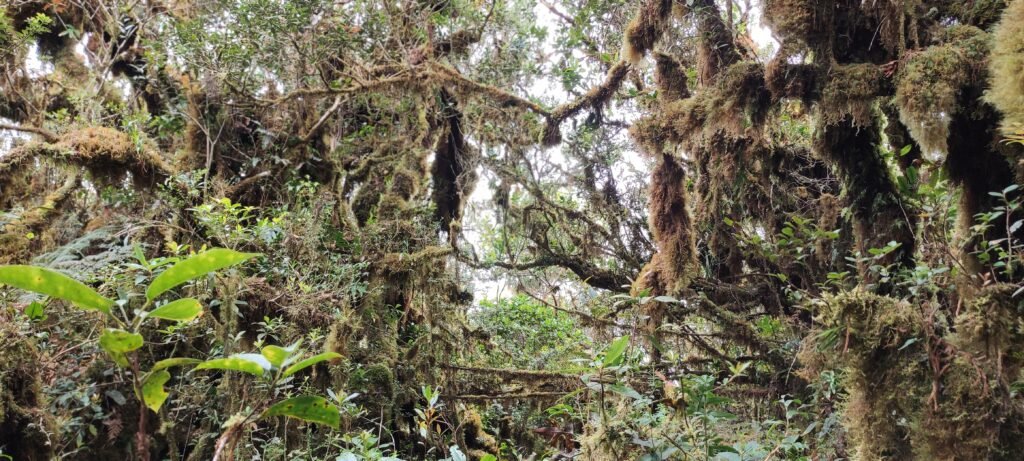
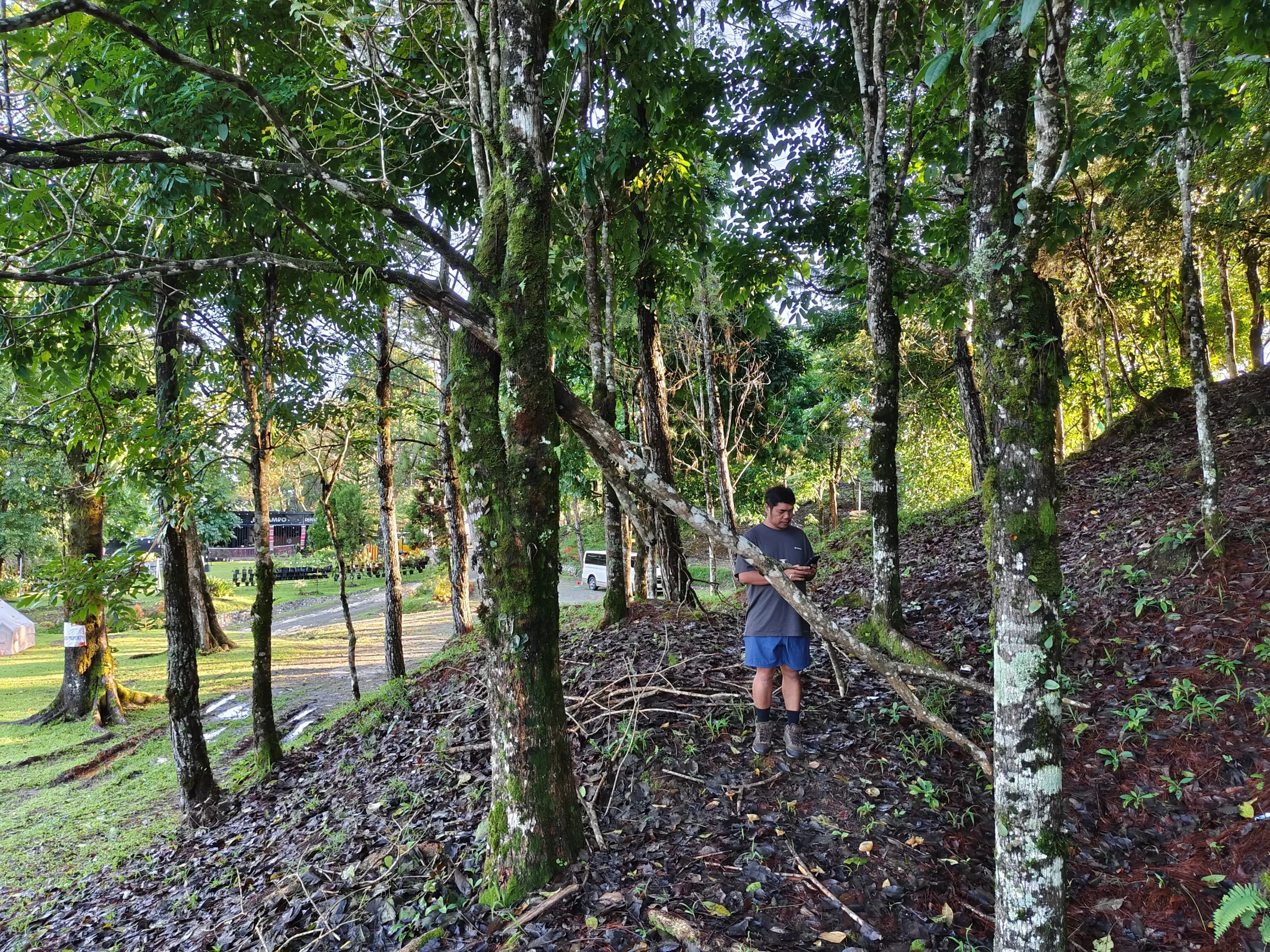
The crowning glory of Mt. Kalumotan is its pristine summit landscape. Before reaching the peak, you are submerged in a wide, serene mossy forest. The silence here is heavy, and the flora is spectacular—including large pitcher plants with vibrant petals and high-altitude bonsai structures. The summit itself is populated by pygmy trees, stunted by the extreme elevation and wind.
The “No-Trail” Challenge
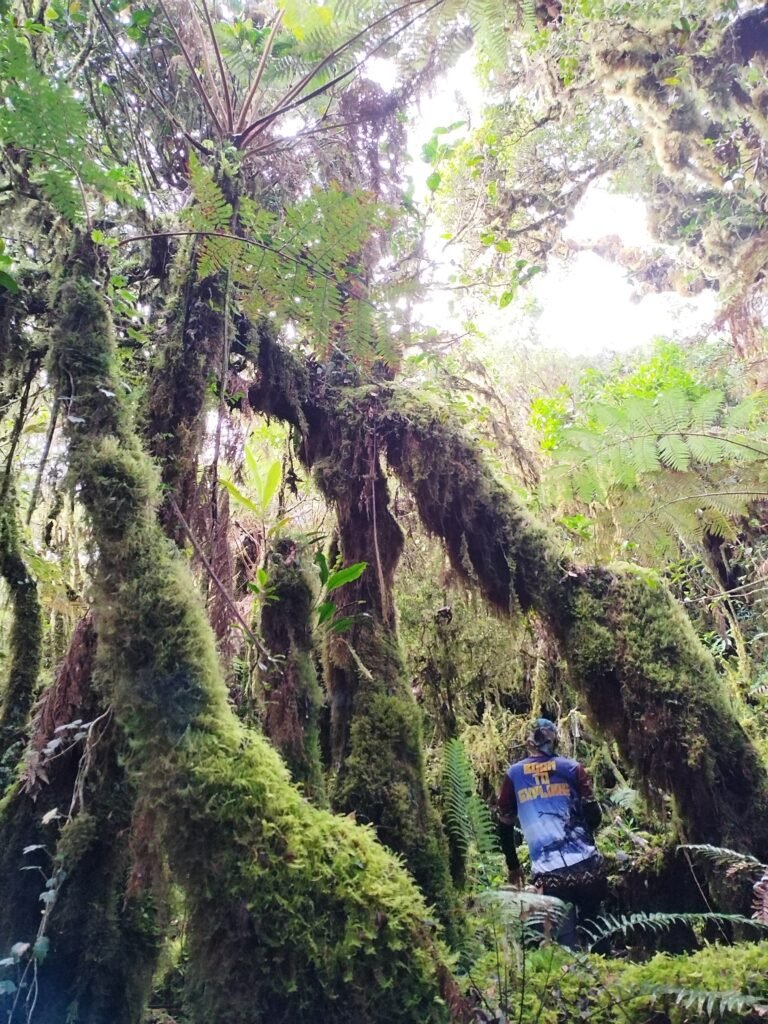
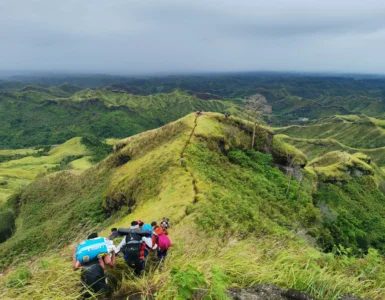
Unlike the established paths of Mt. Apo, Kalumotan has no established trail. Hikers should expect to scramble over raw terrain. It is a physical test of agility, requiring you to navigate through dense vegetation and natural obstacles.
The Kalumotan vs. Maitum Mystery
There is a long-standing theory in the Davao mountaineering community that Mt. Kalumotan and Mt. Maitum are either twins or the same mountain mass.
- The Theory: Some claim Kalumotan is simply the true peak of Maitum.
- The Reality: During our expedition, we reached the summit of Kalumotan but could not find a visible connection to Maitum. In previous climbs to Mt. Maitum, the “peak” was a dense forest with no clear traverse. Due to the dangerous, unestablished terrain, many guides refuse the traverse, leaving this geographic mystery unsolved for now.
The Environmental Crisis: Bulldozers in the Clouds
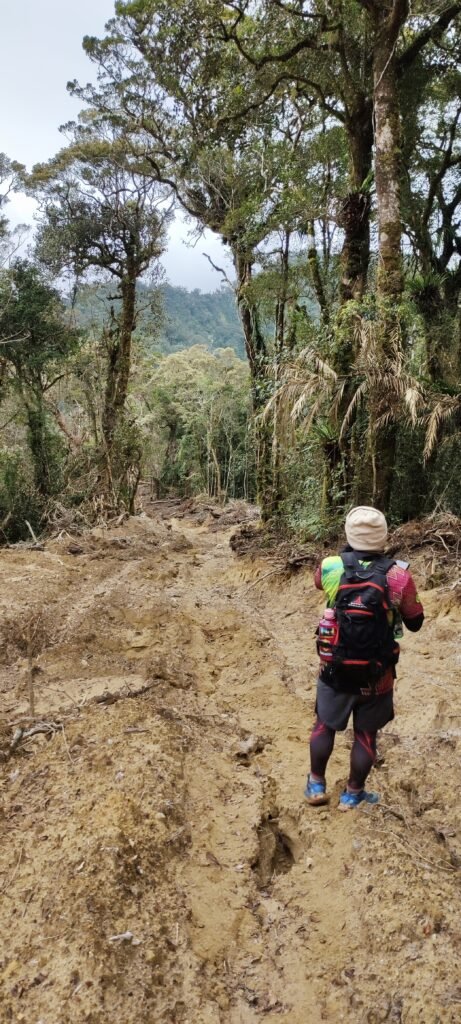
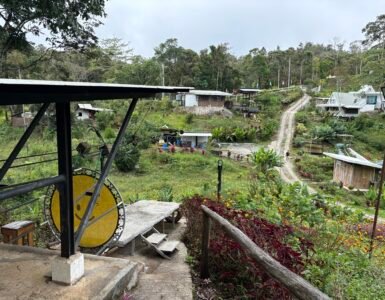
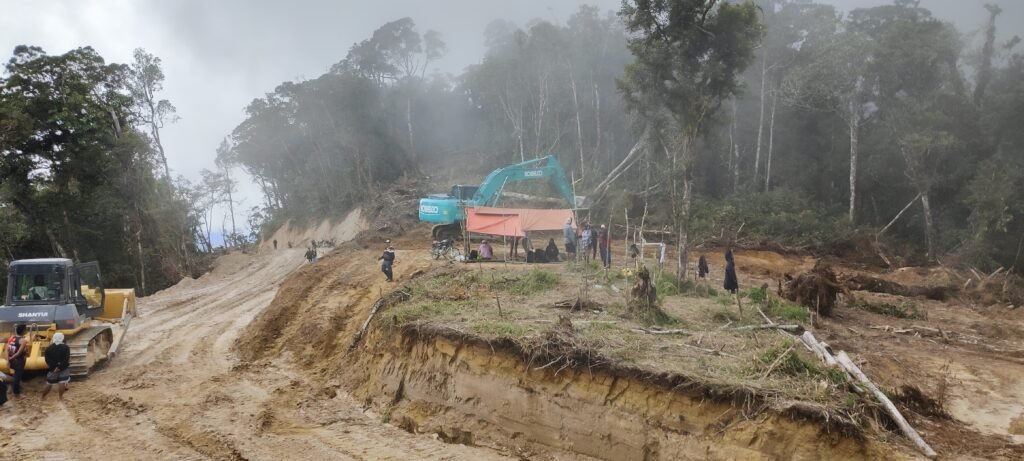
During our 2024 expedition, we witnessed a saddening transformation. The road leading to the foot of Mt. Kalumotan has been bulldozed.
- Noise Pollution: Even at the campsite, the serenity was broken by the sound of trucks and heavy machinery.
- Deforestation: Many trees have been cut to make way for road mobilization.
- The Heat: Because of the lack of canopy cover on the newly bulldozed road, the return trek is punishingly hot. What used to be a shaded approach is now an open, dusty path.
Access & Tribal Protection
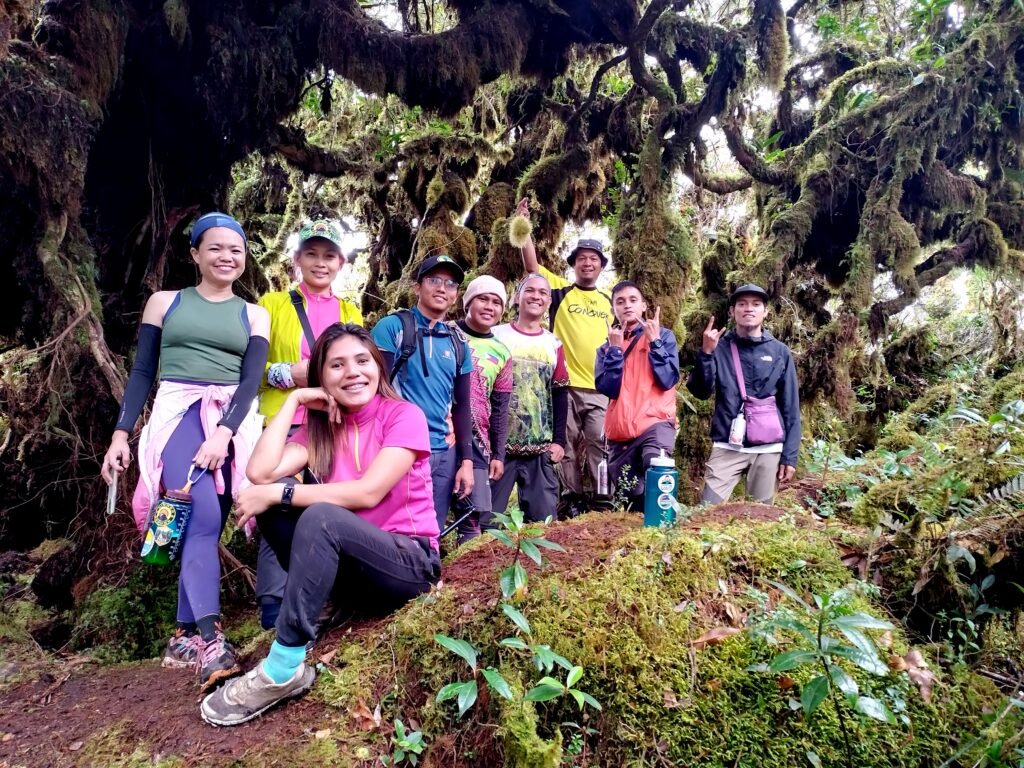
Mt. Kalumotan is governed by a local tribal group that is fiercely protective of their ancestral domain.
- No Trespassing: They do not allow uncoordinated entries.
- Restricted Access: Access is currently difficult and usually requires personal contacts with the tribal elders or specific local coordinators.
- Note: We highly discourage attempting to climb without explicit tribal permission. Respecting the Indigenous People’s (IP) rights is paramount to the safety and “Trust” of the mountaineering community.
Logistics & Camping
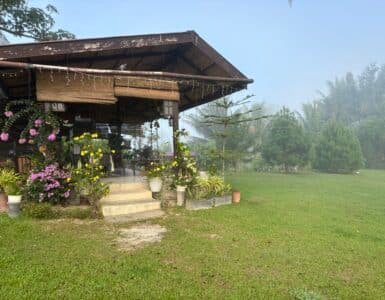
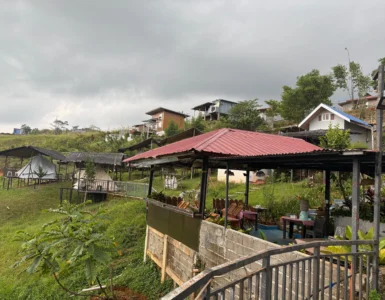
- Campsite: The mountain offers a flat, spacious camping ground perfect for setting up tents.
- Water Source: Limited; verify with your local contact before the climb.
- Guide Requirement: Mandatory. Do not attempt this mountain without a local guide who knows the “raw” scramble.
Frequently Asked Questions (FAQ)
Is Mt. Kalumotan beginner-friendly?
No. Due to the 2,240 MASL elevation, lack of established trails, and the need for scrambling, this is strictly a Major Climb for experienced hikers.
Are there Pitcher Plants on the trail?
Yes. The mountain is rich in biodiversity, including large variety of flora and fauna, particularly the iconic pitcher plants near the mossy summit.
Is the trail shaded?
The upper mossy forest is shaded, but the lower approach (Brgy. Bahi side) is currently exposed due to road bulldozing and tree cutting.
A Call for Conservation
It is our hope at Manakaay ug Bukid that the local government of Maragusan and the tribal leaders find a balance between “development” and the preservation of this mossy wonderland. The pygmy forests of Mt. Kalumotan are irreplaceable.





 Dxtrometorphan